








Installers


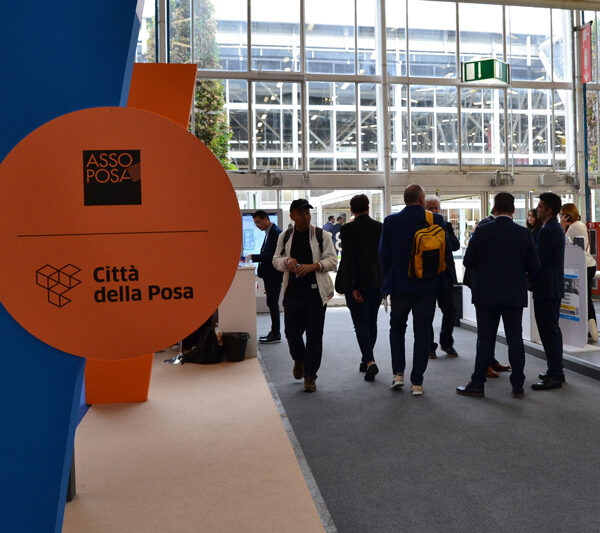


The installation sector hosted in Hall 19
Cersaie 2025, due to be held in the Bologna Exhibition Centre from 22 to 26 September, will host the world of tile installation in a new, larger and more dynamic space in Hall 19.

European tile installers hold Annual General Meeting in Sassuolo
The Annual General Meeting of the EUF (European Union of Tile Installers Associations) was held on 9 May 2025 in Sassuolo in the heart of Italy’s most important ceramic district. The delegates also visited a local manufacturing facility



An ongoing commitment to reducing emissions
The Italian ceramic tile industry adopts innovative technologies and self-regulates to reduce emission levels and air pollution.
FONCER, the Supplementary Pension Fund for the Italian ceramic industry
The FONCER supplementary pension fund is one of the first examples of corporate welfare promoted by a business association in cooperation with the trade unions.
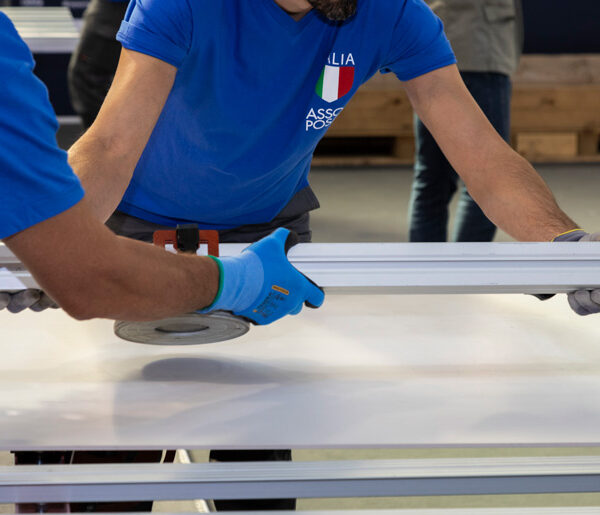
Tiling Town: a new vision of the human-machine relationship
The 12th edition of Tiling Town features innovative ceramic tiling demonstrations and lectures on specific topics in the world of construction
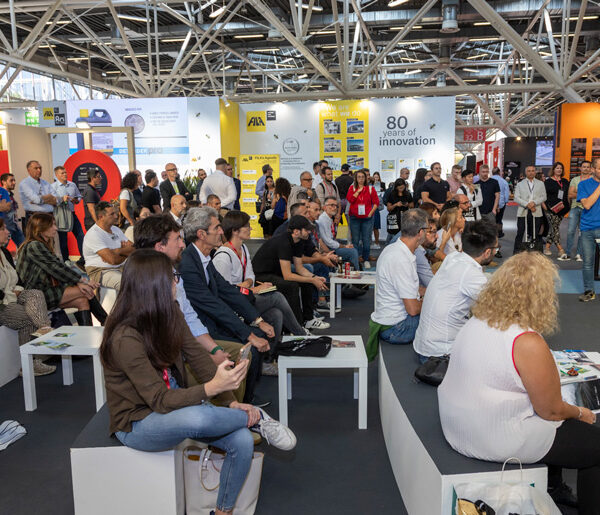
Cersaie fully booked
The International Exhibition of Ceramic Tile and Bathroom Furnishings, set to take place in Bologna from 23 to 27 September, continues to host large numbers of high-quality exhibitors while introducing new spaces and content. All 15 halls are again fully booked this year, reflecting the event’s standing as the world’s premier showcase for ceramic tiles and bathroom furnishings.
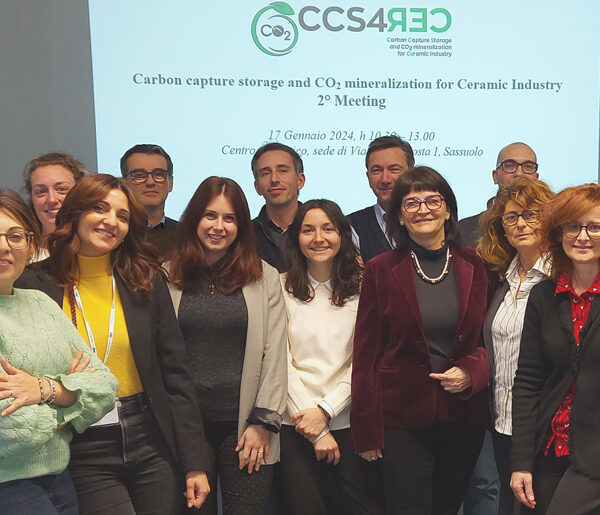
Converting waste into a resource using CO2
A research project, coordinated by the Ceramic Center, studying the possibility of using the CO2 generated in the ceramic tile production process to mineralize certain wastes, thus obtaining secondary raw materials for the building sector, with a view to the circular economy
LEED certification: what it is and how it is applied
The use of Italian ceramic tiles helps to achieve the main environmental sustainability certifications
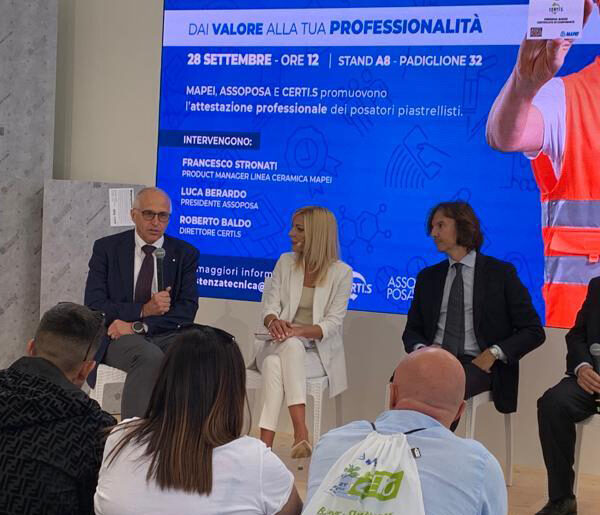
Tile layer’s licence
Assoposa, Mapei and Certi.s are promoting the figure of the certified professional tile layer. Continuous education, greater professionalism and higher market value are just a few of the benefits of certification
Italian clay products: a material that is friendly to humans and the environment
The construction industry is devoting increasing attention to human health and the environment. Today, the performance of construction products must take into account not only supply, installation and maintenance issues but also the impact of products on the natural environment and the healthiness of the building.
