








Public


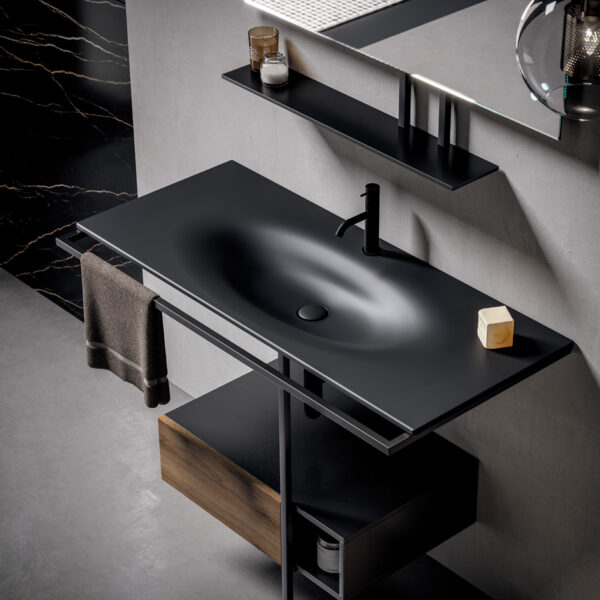


New minimalism, new levels of comfort
Dark tones serve to create essential yet warm and cosy bathrooms, where decoration is achieved through the use of “non-colours” and judicious contrasts
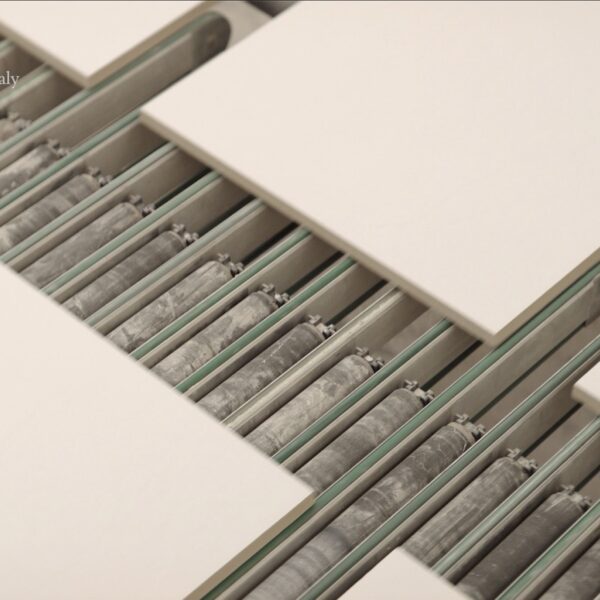


The ISO 17889-1 standard certifies the sustainability of Italian ceramic tiles
Approved in 2018, it is a unique, international standard for evaluating the environmental, economic and social impact of ceramic tiles.

Wincer, ceramic tiles with 85% recycled materials
Thanks to the Wincer project, it is now possible to produce ceramic tiles with materials originating from municipal and industrial waste.

The Italian ceramic industry’s CSR practices
Italian ceramic companies are committed to ensuring occupational safety, to providing advanced corporate welfare and to entering into partnerships with training institutes for research projects. This is demonstrated by the...

Falls from heights: risk prevention
The Italian ceramic industry cares about people and takes all the necessary precautions to ensure the well-being of its employees. This involves providing personal protective equipment, informing workers about occupational...
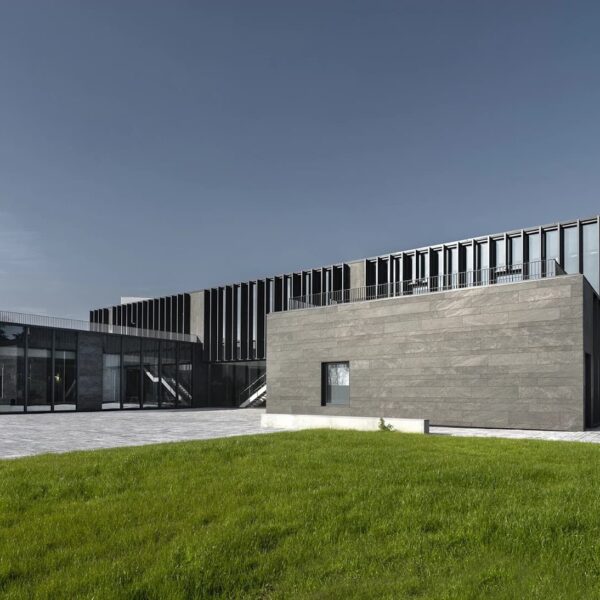
Ceramic ventilated façades: cost and energy savings
Ceramic ventilated façades reduce energy consumption and cut utility bills
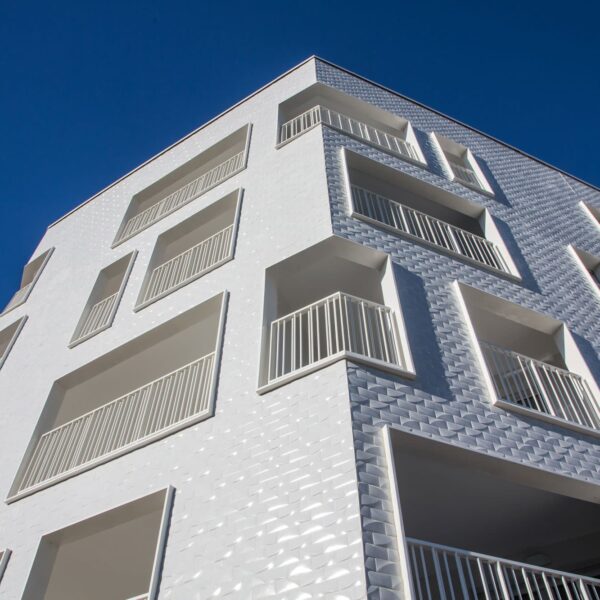
A material for comfort and well-being
What is the best material for the construction of buildings? Italian ceramic products can contribute to people’s well-being and comfort.
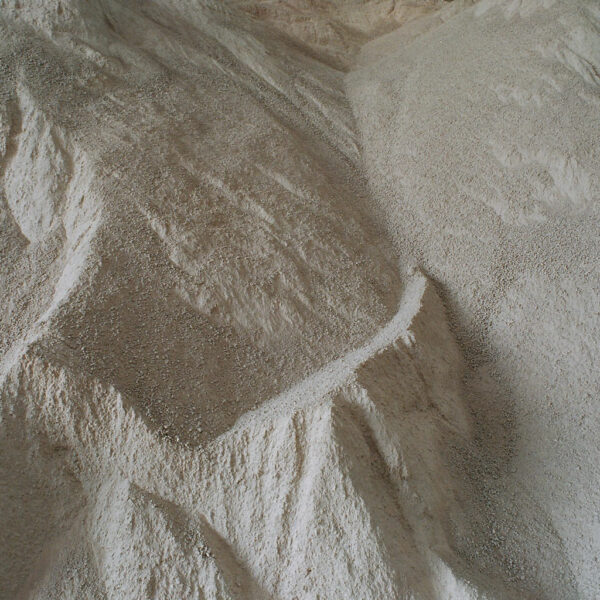
Italian ceramic tiles. From earth, for the Earth
Italian ceramic products contain only controlled, recycled and recyclable natural raw materials.
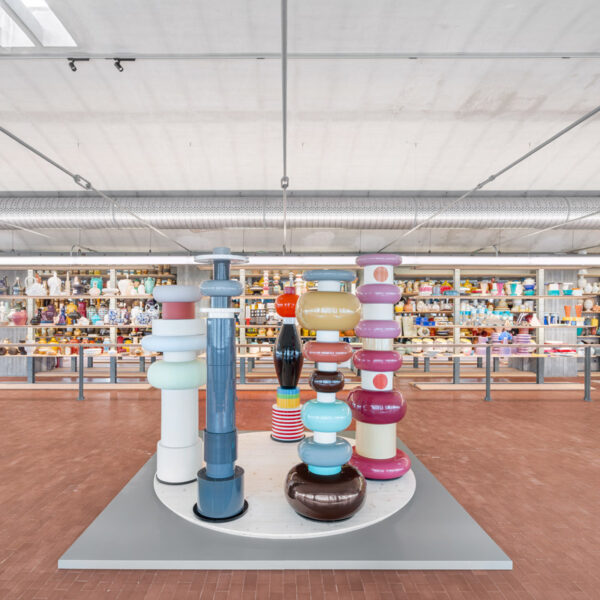
A hundred years of history. Ceramics viewed from Montelupo Fiorentino
Throughout its history, Bitossi has collaborated with eminent figures from the world of design. The company’s Archive Museum in Montelupo Fiorentino tells the story of its illustrious past in relation to its present and its vision for the future. The result is an outstanding example of a corporate museum
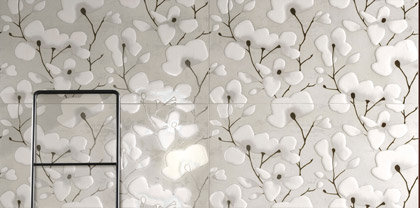
Ceramic surface trends respond to specific needs
Italian ceramic products cater for the new home design requirements of flexibility and customisation, the need for intimate spaces and the desire for visually-striking effects that brighten up the home
