








Construction firms


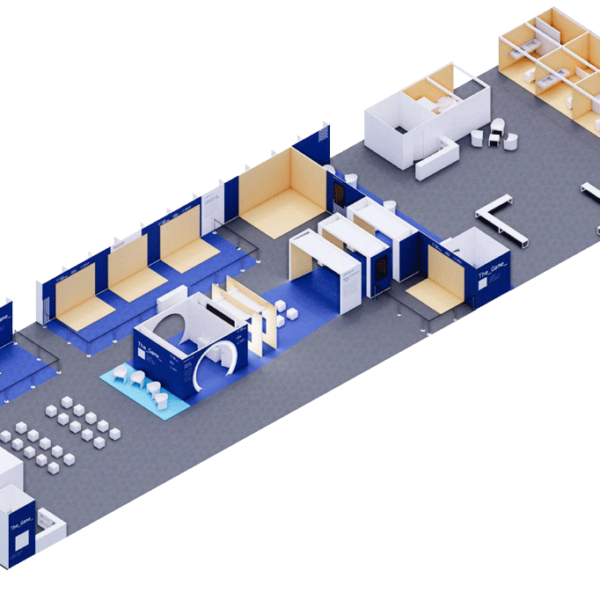


The world of tile installation sector takes centre stage in Hall 19
More than 5,400 square metres will host exhibitors, technical demonstrations and the 14th edition of Assoposa’s “Città della Posa”. The programme will focus on large ceramic slabs, professional certification and new technologies, with the participation of young tile installers from Italian building schools as well as tile installers from abroad
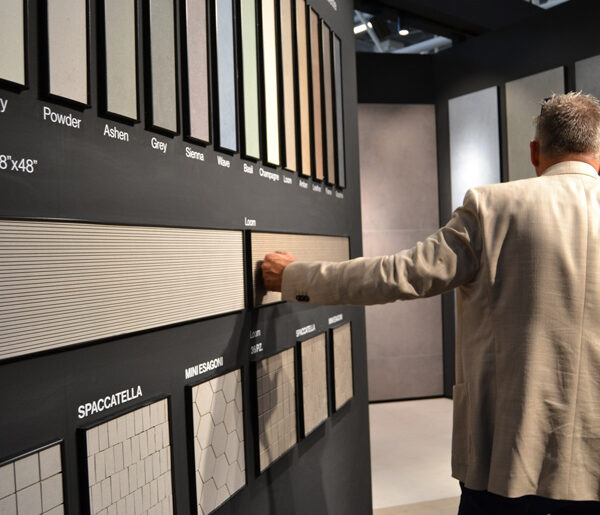

The value of a truly unique event
Cersaie 2026 confirms its international standing not only as a leading trade fair for ceramics and design, but also as a hub for culture and professional training. Among this year's new features are courses for showroom staff aimed at enhancing sales techniques and promoting premium products more effectively
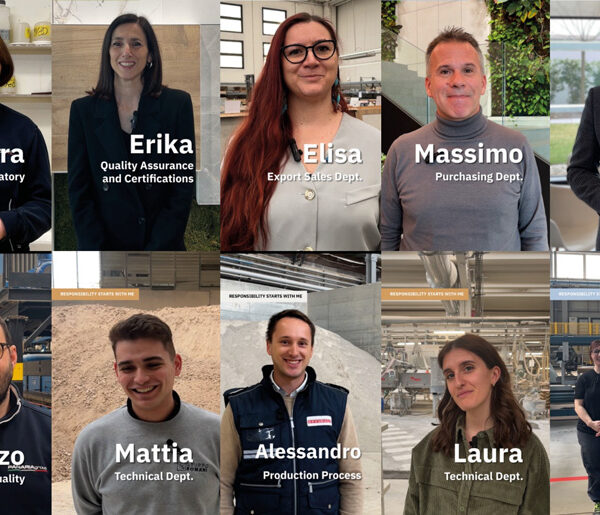
Responsibility as a choice
The evolution of the sustainability campaign celebrating Italian ceramics, which focuses squarely on environmental stewardship and respect for human beings
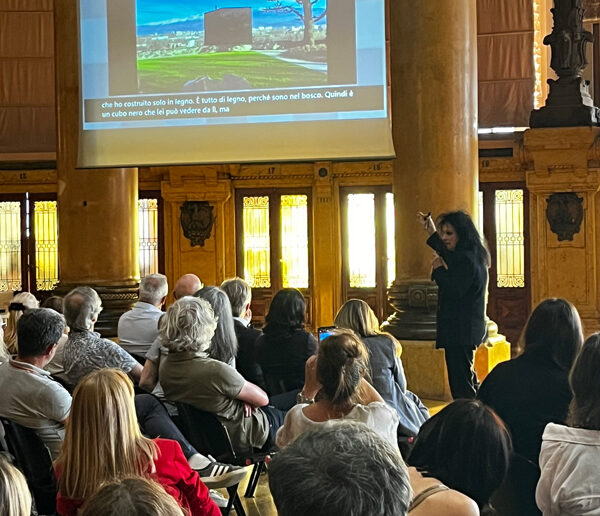
Road to Cersaie, Bologna – Italy
The Cersaie roadshow has visited numerous Italian cities in recent weeks, reaffirming the unique role the exhibition plays on the international stage ahead of this year’s edition in Bologna from 21 to 25 September
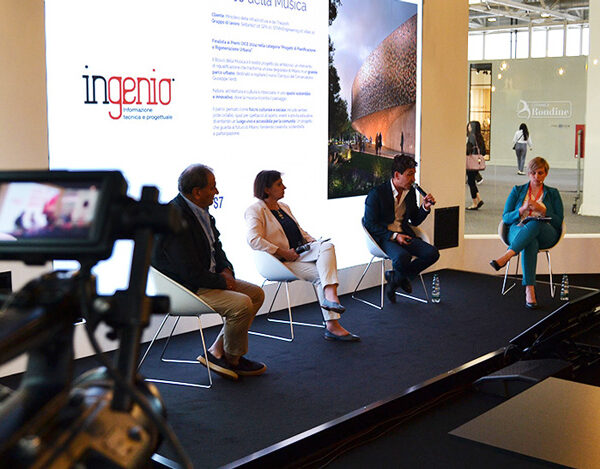
Design and Architecture Take Centre Stage at the 2026 Press Cafés
Running from 21-25 September in Mall 29/30, the 14-event programme is organised in partnership with Italy’s leading specialist publishers

What the CSRD means for Sustainability Reporting
Sustainability reporting has gained increasing importance over the past decade, driven not only by regulatory pressures but also by growing consumer attention to sustainable choices
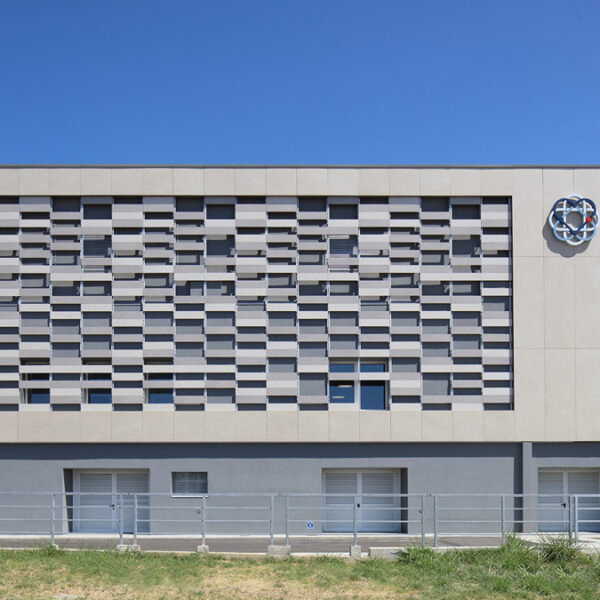
Energy efficiency in the Italian ceramic industry
From kiln to façade: how the sector has transformed waste reduction into a competitive asset and shared responsibility
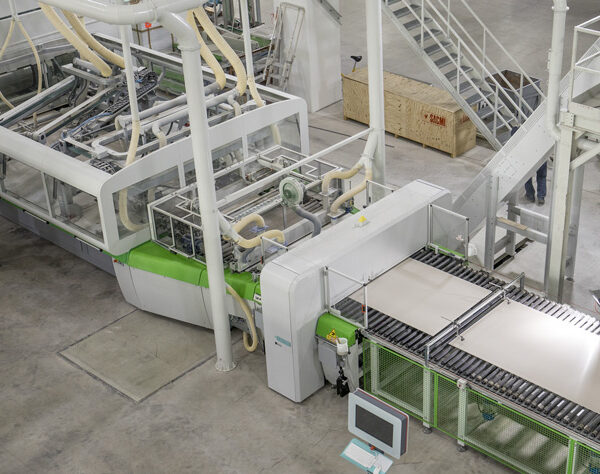
Redefining Waste: A New Industrial Paradigm
The Italian ceramic industry represents one of the most advanced circular economy models in Europe. In addition to reducing waste, priorities include designing an industrial system in which resources are recovered, reintegrated, and repurposed
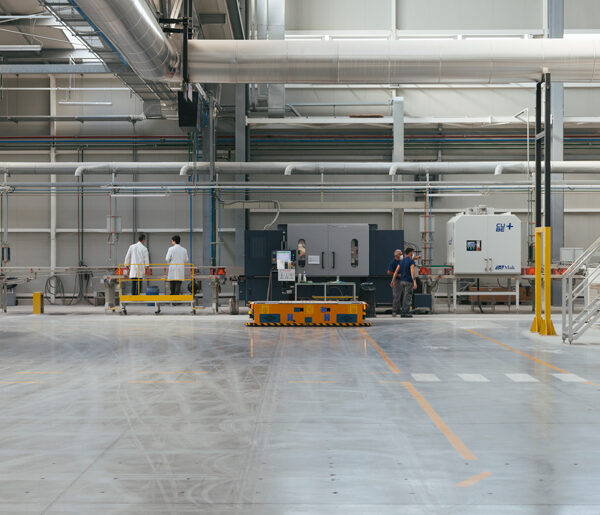
Strategic levers in a turbulent world
Manufacturing excellence, continuous innovation in products and applications, and environmental and social responsibility are among the core assets of the Italian ceramic industry
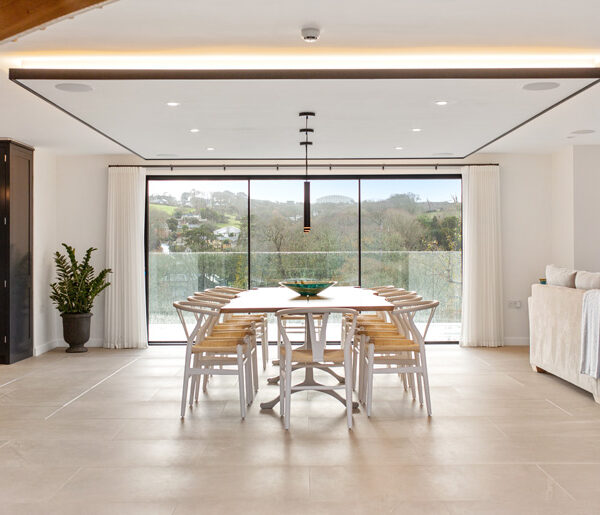
The changing face of the European real estate market
A recent RE/MAX Europe study examines the evolution of residential property markets and price trends across the continent in 2025
