











Interviews


Designing concepts
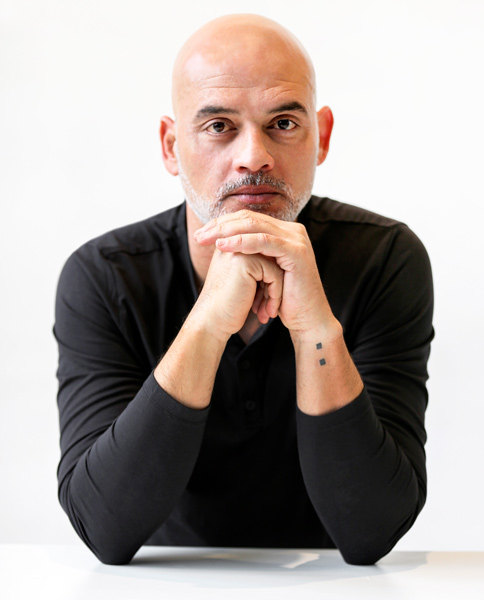
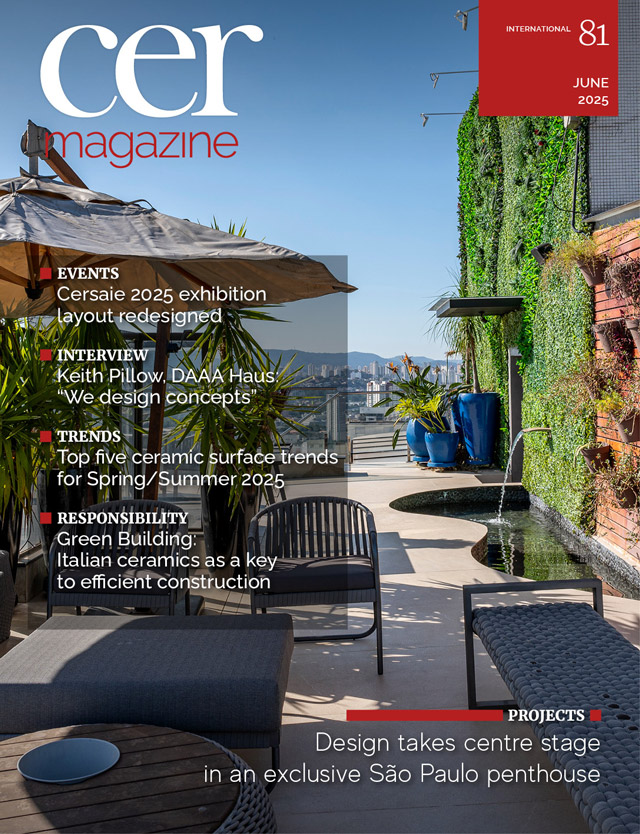
(June 2025) | “Good design can make the world a better place” is the philosophy behind DAAA Haus, an architecture and design firm with offices in Malta, Milan and Ragusa known for its distinctive design approach.
Rather than merely designing functional spaces, DAAA Haus “designs concepts”, creating unique selling propositions with a strong narrative and identity.
“Our design approach involves telling a story – or creating one, if it doesn’t yet exist – to serve as the project’s narrative thread. We design concepts,” explains founder Keith Pillow, who set up DAAA Haus Ltd Malta in 2009 and serves as its managing and creative director.
The process doesn’t begin with the project itself but with the client’s lifestyle. “We’re like tailors who take measurements before making a suit. Those measurements help us understand the client’s identity and the context. We always ask ourselves who the architectural project is for, whether it’s a hotel, a retail space or a private home, because architecture should reflect a way of life. It’s impossible to go through a single day without living design and architecture. The built environment is entwined with every facet of our lives, from our work to our homes, to our hobbies and social lives. Every product we use is the result of someone’s design work. To us, design and architecture are a way of life, experiences that shape our personality and style.”
Your practice recently celebrated 15 years of business in fields ranging from architecture and luxury interiors to retail and hospitality. What kind of projects are most important for you?
We don’t have a preference for any one type of project. It might be a small café that captures our imagination, or a hotel or private villa. It all depends on the circumstances. To create the ideal project, we take four parameters into account: the building or context we’re working in or the surrounding environment; the project schedule and requested deadline; the budget; and most importantly, a client who values design and the role of the architect in creating an emotionally-engaging experience. The style changes according to the project’s artistic language. Materials, for example, play a key role in defining this style. For the lobby of a luxury office building in Malta, near Zaha Hadid’s new tower, we used a classic black-and-white marble-effect design with large-format surfaces. For the lounge bar at the Londoner Hotel, we opted for clean lines and 3D forms, using cementitious terrazzo-effect porcelain tiles to give the floors and walls an industrial identity.
In the heart of a historic building, we designed a gym that merges past and present. We preserved the character of the original architecture by leaving natural stone surfaces exposed wherever possible, establishing a direct dialogue with the building’s history. Inside, the essential, minimalist materials help to create a refined and contemporary atmosphere. But it’s in the private changing rooms that guests discover an unexpected surprise in the form of vivid, graphic ceramic wall tiles bursting with colour and artistic flair in stark contrast to the sobriety of the common areas. This striking detail reflects the spirit of the brand behind this luxury chain, where artistry is an integral part of the experience. The result is a fine balance between historic elegance and contemporary boldness, where every detail offers a surprise.
How does your team work across your offices in Malta, Ragusa and Milan?
The secret to working successfully with a multicultural team across different offices is continuous team building and mentoring. Over the years we’ve developed our own way of thinking and designing, especially during the conceptual phase, in which I work closely with everyone to define the artistic direction of the project. Once the concept is clearly established, a technical team works independently alongside the various senior partners to develop the project in line with the overall creative vision.
How would you describe your design philosophy, the common stylistic thread running through all your projects?
As you rightly observed, our style is subtly embedded in the bespoke design we develop for each individual project. Some projects may reflect our personal preferences more than others and certain features do recur, but we believe design is personal, each project has its own story to tell. For us, design and architecture are languages for telling a story, recounting an experience. That’s why each project has its own unique identity.

The Londoner Hotel St. Julian, Malta (Floor ceramic tiles by Del Conca)
What’s your concept of luxury?
Luxury is often equated with high-end brands and expensive, lavish materials. But to us, luxury means quality, custom details and working with natural, artisanal materials sourced from around the world. It isn’t a style, it’s a mindset and a culture. Luxury can be minimal, modern and neutral, or classic, exotic and maximalist. It’s more a question of research and process than the final visual result. We always speak to clients before embarking on a project to gauge their cultural sensitivity. We’ve declined projects from high-budget clients who, in our view, lacked that deeper cultural sensibility. No amount of money can buy good taste.
You opened the Carbon showroom/studio in Milan in collaboration with environmentally conscious partners. What are the goals of this space?
Carbon is our Milanese living room, a calm, relaxing space in the heart of Milan where we can meet and talk to clients, companies, journalists, colleagues and collaborators. Sustainable design doesn’t have to be defined as natural, raw and minimalist. Having studied this issue at length, we know that sustainable design is usually associated with the Scandinavian vision. There’s nothing wrong with that, but we chose a different path, using darker tones with colourful accents. Working with companies and craftsmen, we developed a collection of furniture, objects and accessories that are both decorative and functional while making as much use as possible of recycled materials.

Gym The Works by Iniala Hotel, Valletta, Malta (wall ceramic slab by Florim)
What are your favourite materials to work with?
We don’t really have any preferences. We’re always researching and experimenting with new materials. While we enjoy working with natural materials such as stone and wood, we don’t hesitate to mix together surfaces such as metal, glass, ceramic and fabric. For us what matters most when choosing a material is the way its sensation and consistency influence the overall experience. We don’t just want to replicate a look, we want to create something with depth and meaning.
What do you think of ceramic materials for interior and exterior use?
Ceramics have evolved enormously. From the hi-tech, large-format slabs now available on the market to more bespoke, handcrafted decorative tiles, the range is endless. When working with ceramics, especially in high-traffic commercial spaces, we look closely at the details and production technologies to determine variations, quality and price.
Biography
Biography
Keith Pillow was born in St. Julian’s, Malta in 1977. After 15 years working in marketing communications, he founded DAAA Haus Ltd Malta in 2009, serving as its managing and creative director. He went on to open studios in Ragusa (2015), Milan (2017) and Mumbai (2019). His practice, which now employs 40 people, combines a passion for architecture, real estate and creativity into a new form of specialist design consultancy. Keith Pillow is passionate about design, art and architecture and describes himself as a romantic creative, inspired by everything around him. DAAA Haus is a multidisciplinary studio working across a broad spectrum of interior and architectural projects for hotels, offices, restaurants and private homes.
