










Interviews


A shared heritage
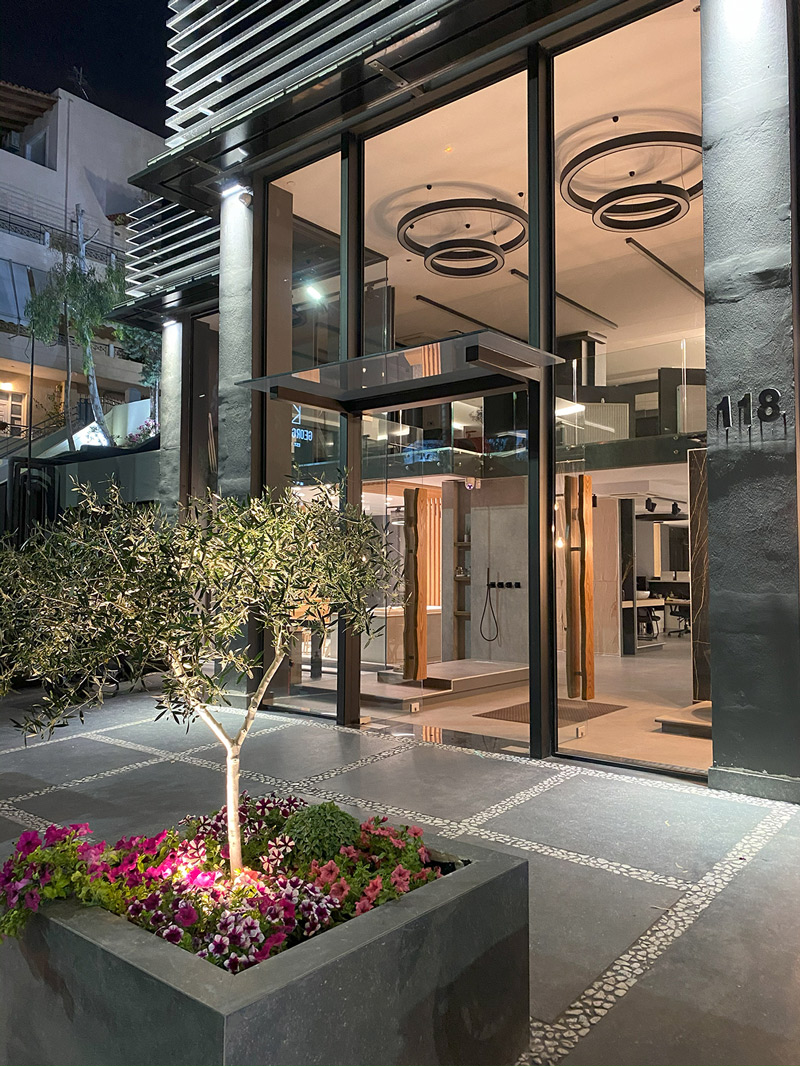
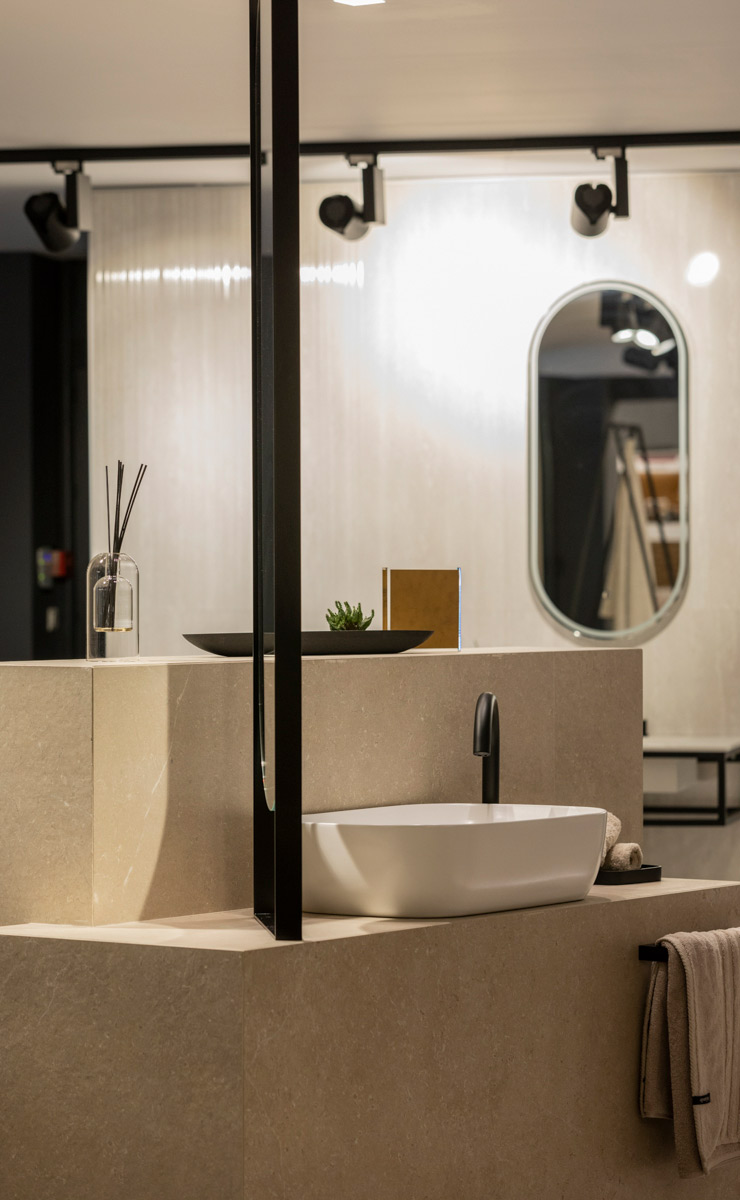
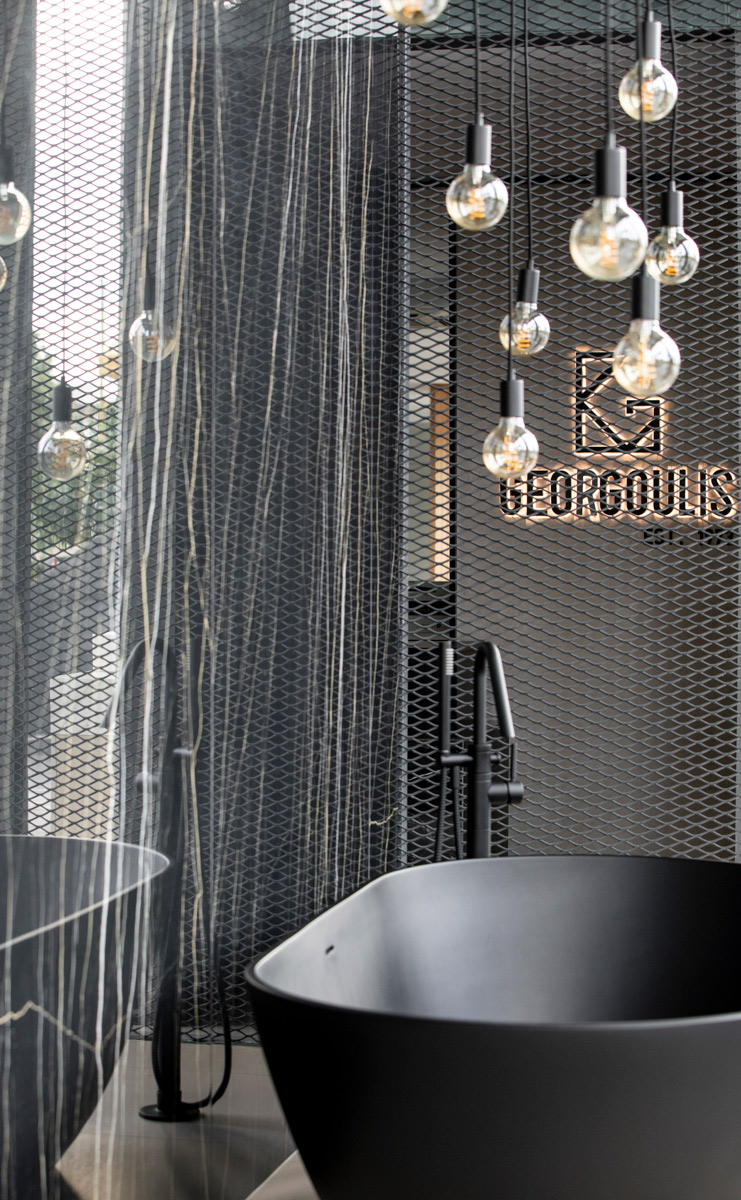
 (October 2025) – Italy and Greece share deep cultural roots, a common heritage that underpins the special relationship between Georgoulis SA and the Italian ceramic industry. Based in Athens, the company has built its reputation on a philosophy that combines aesthetic sensibility and innovation with solid technical expertise. These qualities have made it a key partner for Greece’s fast-growing real estate development sector. We spoke to Fivos Georgoulis, a member of the company’s second-generation management team.
Georgoulis SA is one of the leading suppliers of ceramic tiles in the Greek market. How did your success begin?
The company was founded in 1973 by my father, Georgios Georgoulis, who established close and lasting relationships with several Italian brands – partnerships that continue to this day. From those early post-Junta years to the present, our growth has been steady and guided by our founding principles: a focus on people – our partners, clients and employees – and respect for the built environment. As the second generation, my brother and I – with backgrounds in finance and engineering respectively – aim to strengthen this growth by investing in and promoting Italian design in the Greek ceramics market. Our company currently employs 40 people across four departments (Finance, Sales, Business Development, Warehouse & Logistics). All of the firm’s equity is privately held by family members and is entirely unleveraged.
What types of products do you distribute, and for what applications?
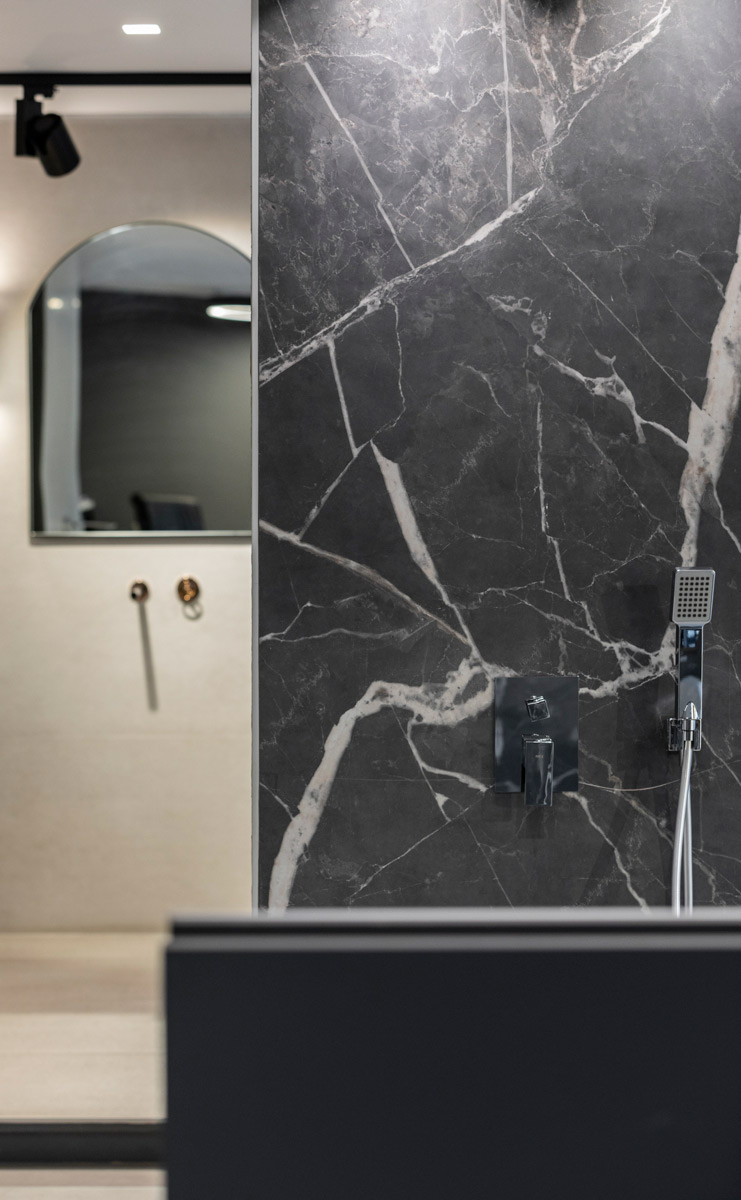
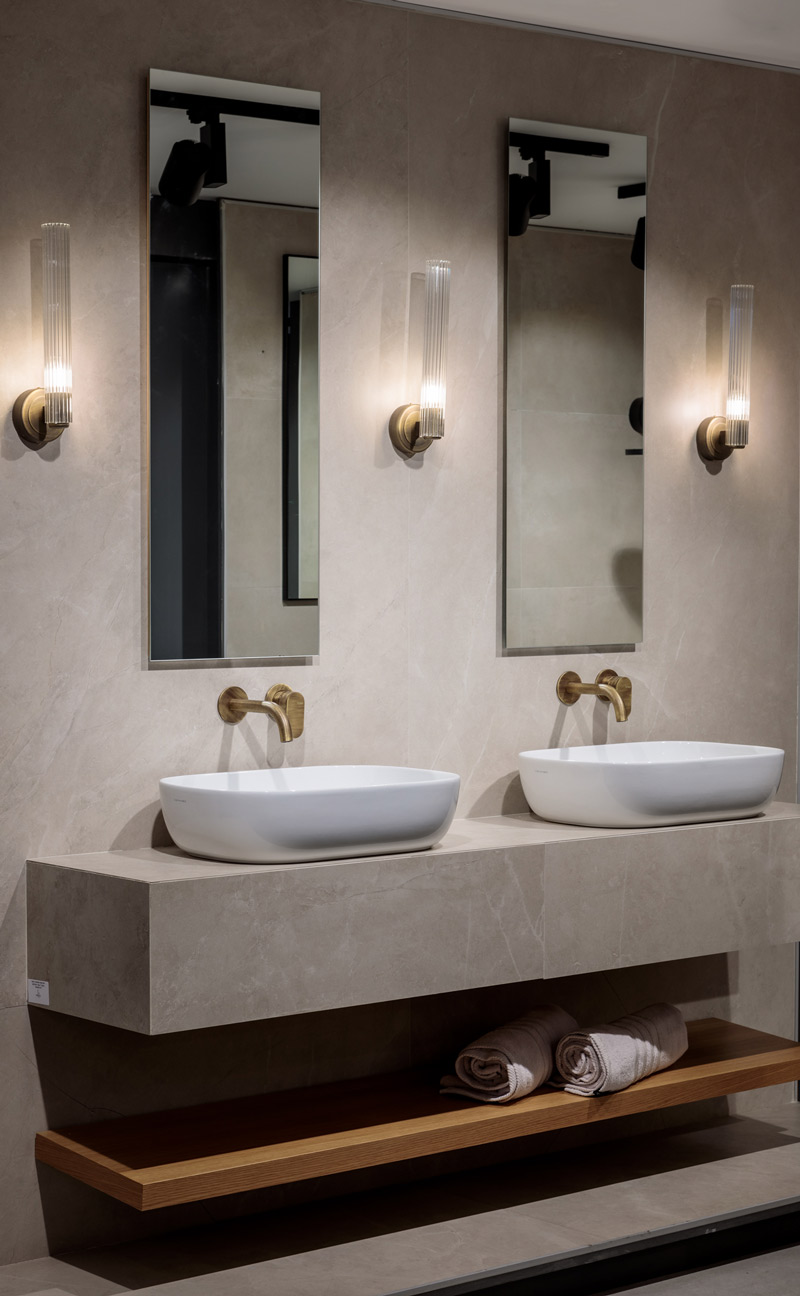
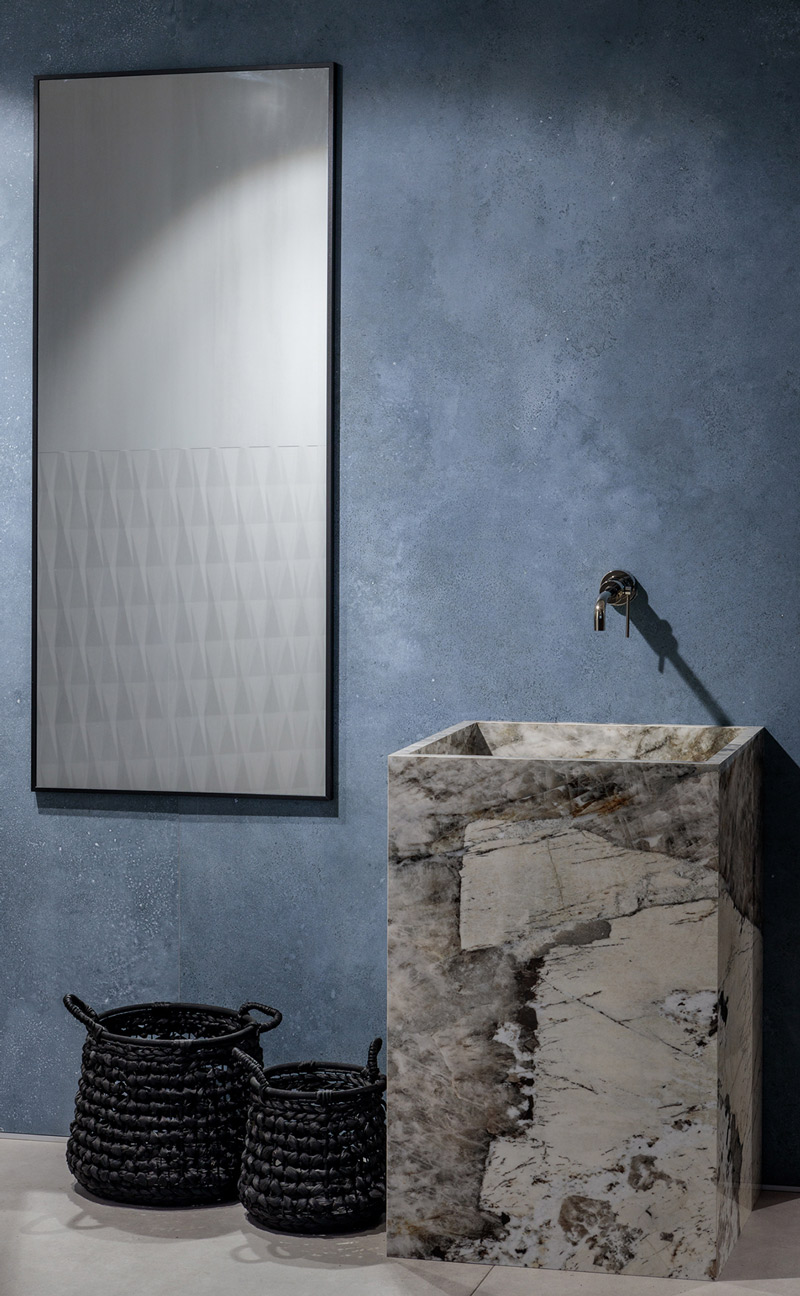
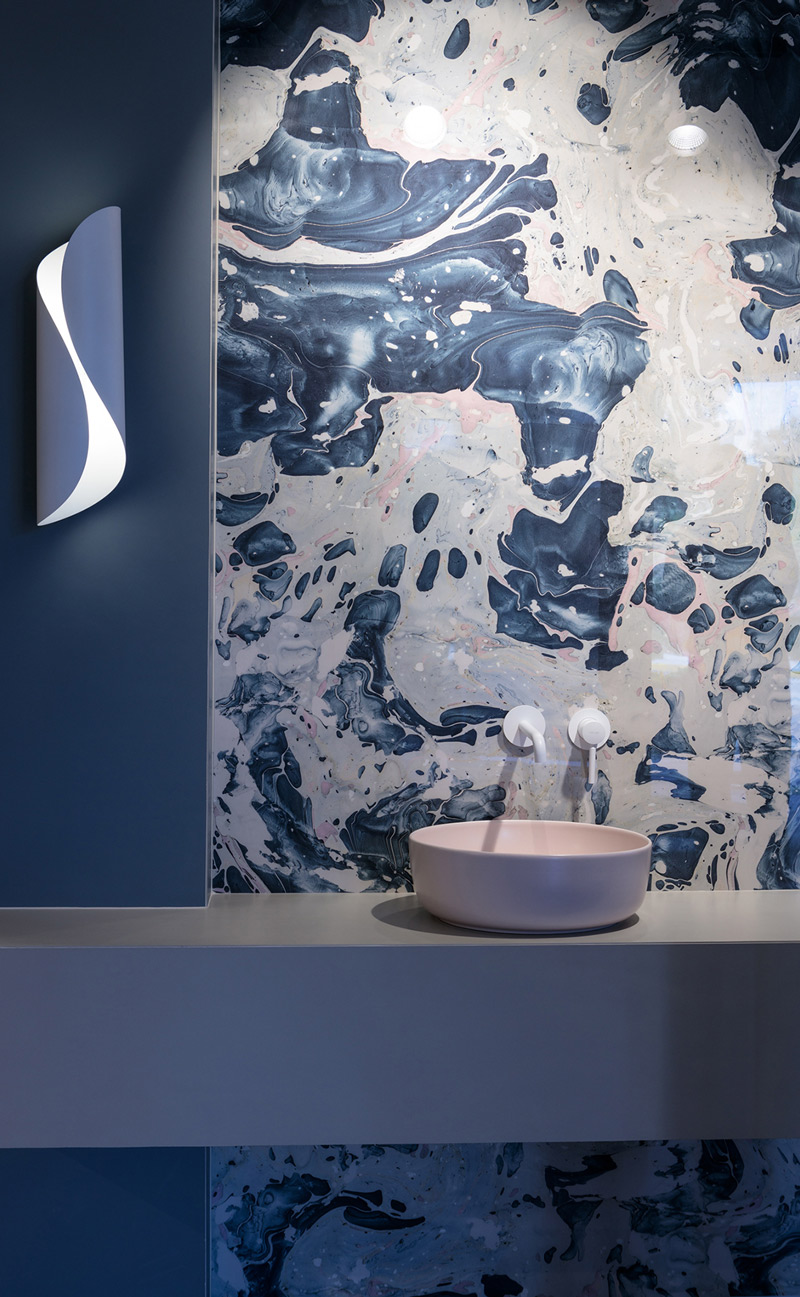
We mainly supply premium coloured-body porcelain tiles in 6 mm and 9 mm thicknesses, used for both floor and wall coverings. In Greece, white-body tiles are seldom used on walls and consequently represent only a small share of our inventory. We are also seeing growing demand for 12 mm thick porcelain slabs and panels for countertops and custom furnishings – an area in which we plan to make further investments, although the overall volume remains smaller than that of traditional 6 mm and 9 mm porcelain floor and wall tiles.
Who are your main clients, and how are their expectations evolving?
Our main clients are architects and property developers. Traditionally architects focus on innovative designs and new materials, while developers prioritise costs and service. However, the recent boom in the Greek real estate market – spanning hospitality, residential, commercial and mixed-use projects – has encouraged many developers to adopt a more design-oriented approach to their projects and to choose premium finishing products. But regardless of whether they are architects or developers, clients now expect faster and more efficient service. We strive to stay one step ahead by investing in our operations and using digital media to showcase and promote our products.
What specific qualities do you look for when sourcing new Italian tiles – design, sustainability, brand reputation?
Design and brand recognition have always played a key role, but sustainability has now also become a decisive factor, especially with the growing demand for LEED and BREEAM certifications for new projects. Using environmentally responsible products and systems is essential to meet these requirements, so it is important to have partners who are leaders in sustainable production. My own background – a master’s degree in sustainable energy technologies and tile production – is also a valuable guide in selecting suppliers. Ultimately, what matters most are the people and culture behind a brand. Privately-owned corporations tend to have a more people-oriented and flexible approach to problem solving and communication in general.
What sets Italian manufacturers apart from their competitors? And how do they perform in your market?
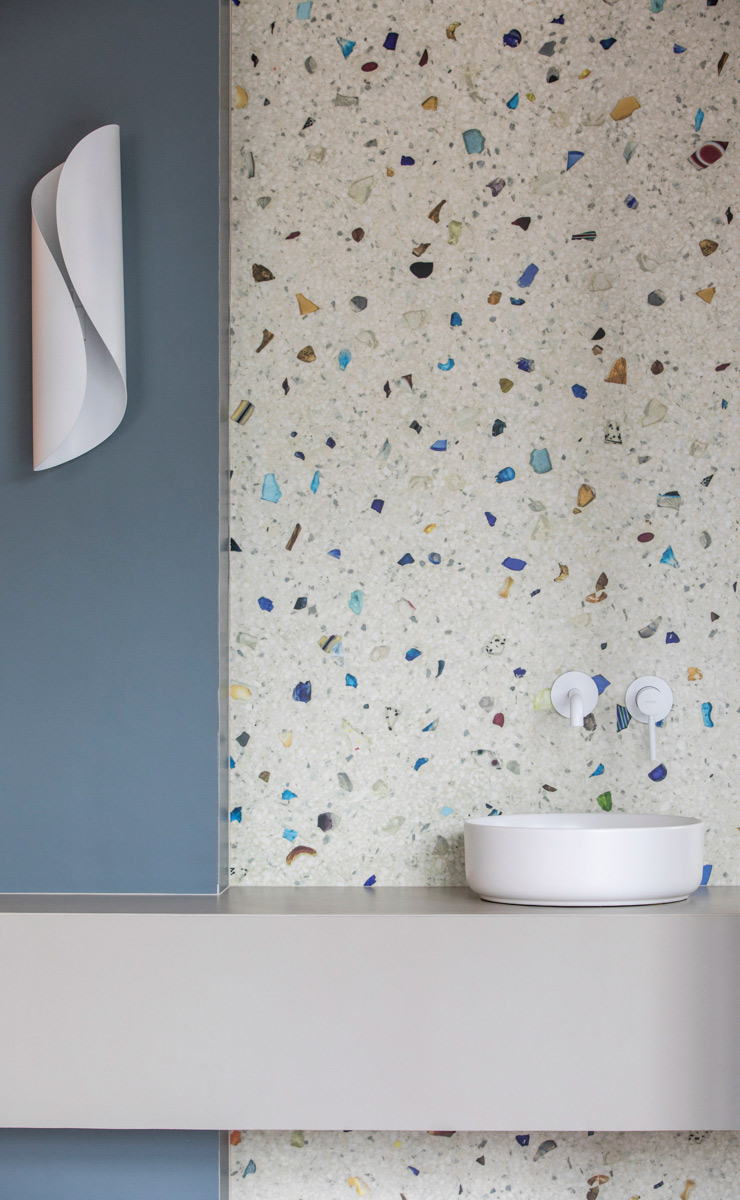
It’s not one single factor but a unique blend of philosophy, history, culture and production expertise. Italian manufacturers possess an unmatched aesthetic culture that is deeply ingrained in their working methods. They collaborate with world-famous architects and industrial designers to develop new collections while maintaining consistently high product quality. Industry events like Cersaie also play a key role in setting global trends. In Italy, manufacturing is more than just an industry, it is an extension of the country’s artistic and cultural heritage. The designer-oriented Greek market has great respect and appreciation for Italian products. Each collection is the result of a meticulous R&D process and offers remarkable flexibility in terms of size, colour and patterns, opening up vast creative potential. Combined with geographical proximity and the two countries’ shared aesthetic sensibility, these qualities make Italian products outstanding performers in the Greek market, especially in the premium segment.