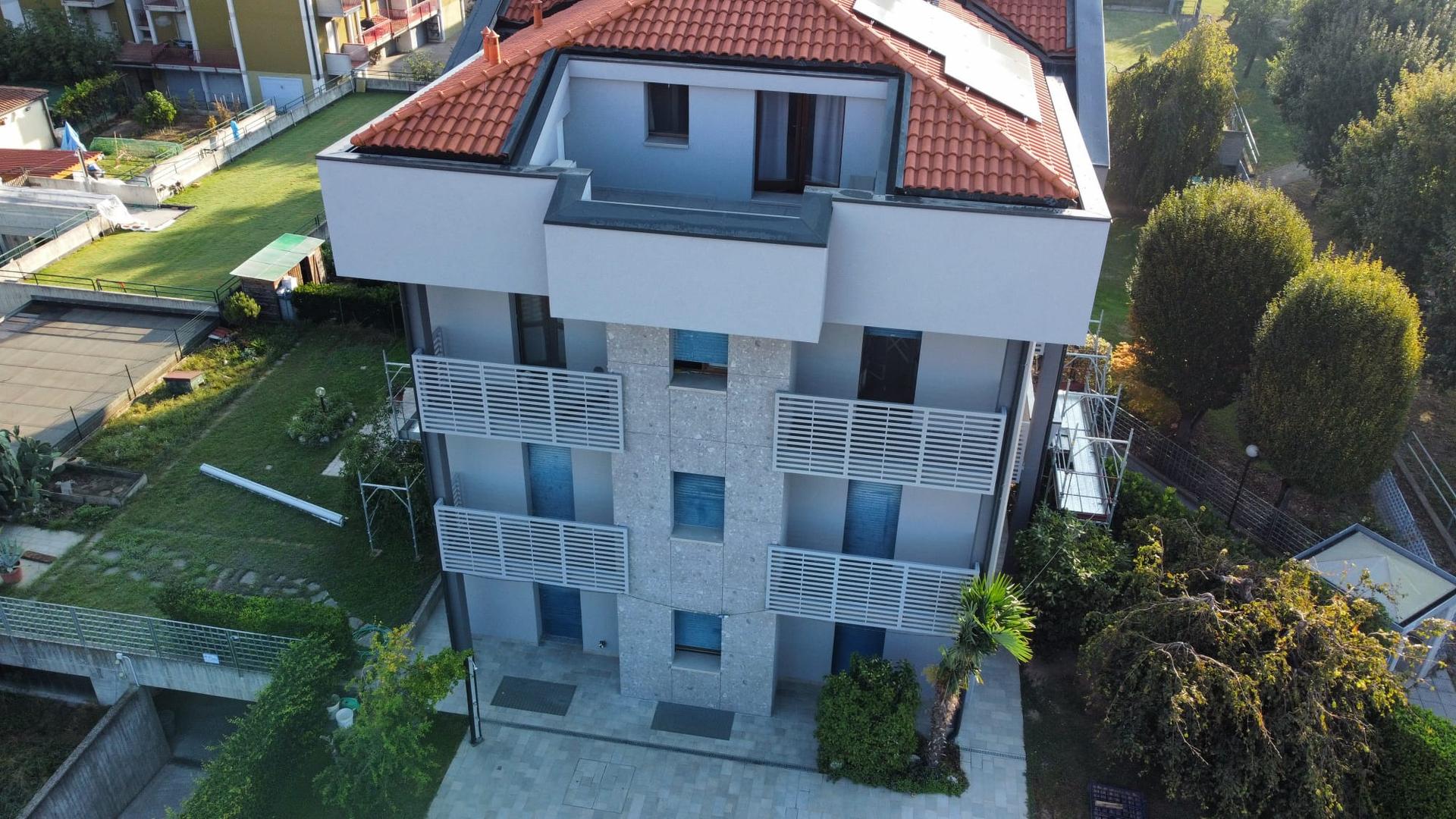














The refurbishment of the Ten & Ten House condominium in Romano di Lombardia (province of Bergamo) combined a full energy retrofit with an aesthetic upgrade that respected the building’s original architecture. The project, led by the Monza-based engineering firm La Fontana, aimed to improve comfort and sustainability across the entire structure.
To take advantage of the tax concessions offered by Italy’s 110% Superbonus scheme, “we installed a ventilated façade for external insulation and renovated the roof with attic insulation,” explains engineer Paolo Angiolini. “Private generators were replaced with condensing boilers, a photovoltaic system with storage batteries was added for the common areas, the fixtures, blinds and solar shades were replaced, and the lift was renovated. As a result, the building moved from energy class F to B, saving residents an average of about €800 per year per unit.”
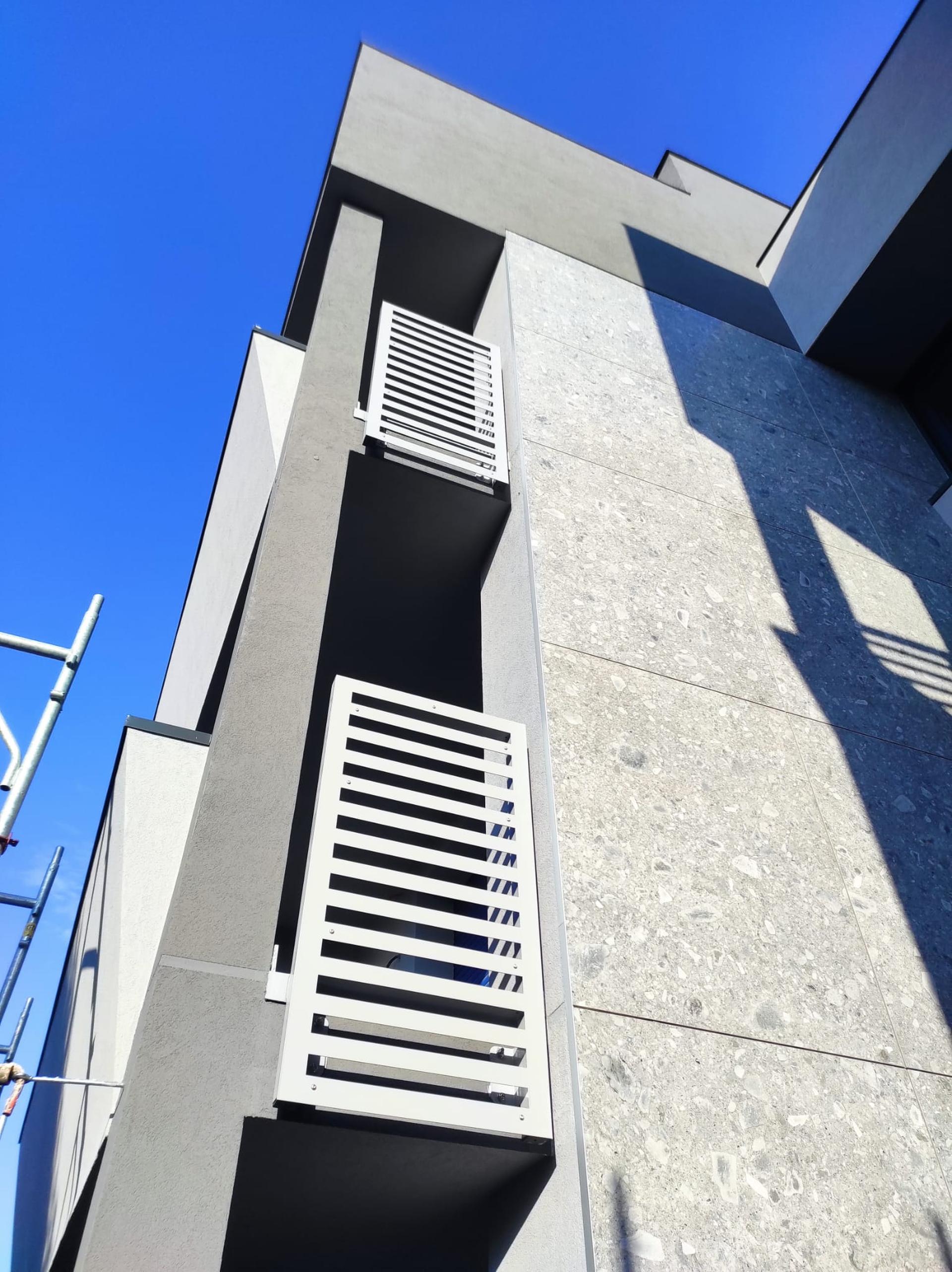
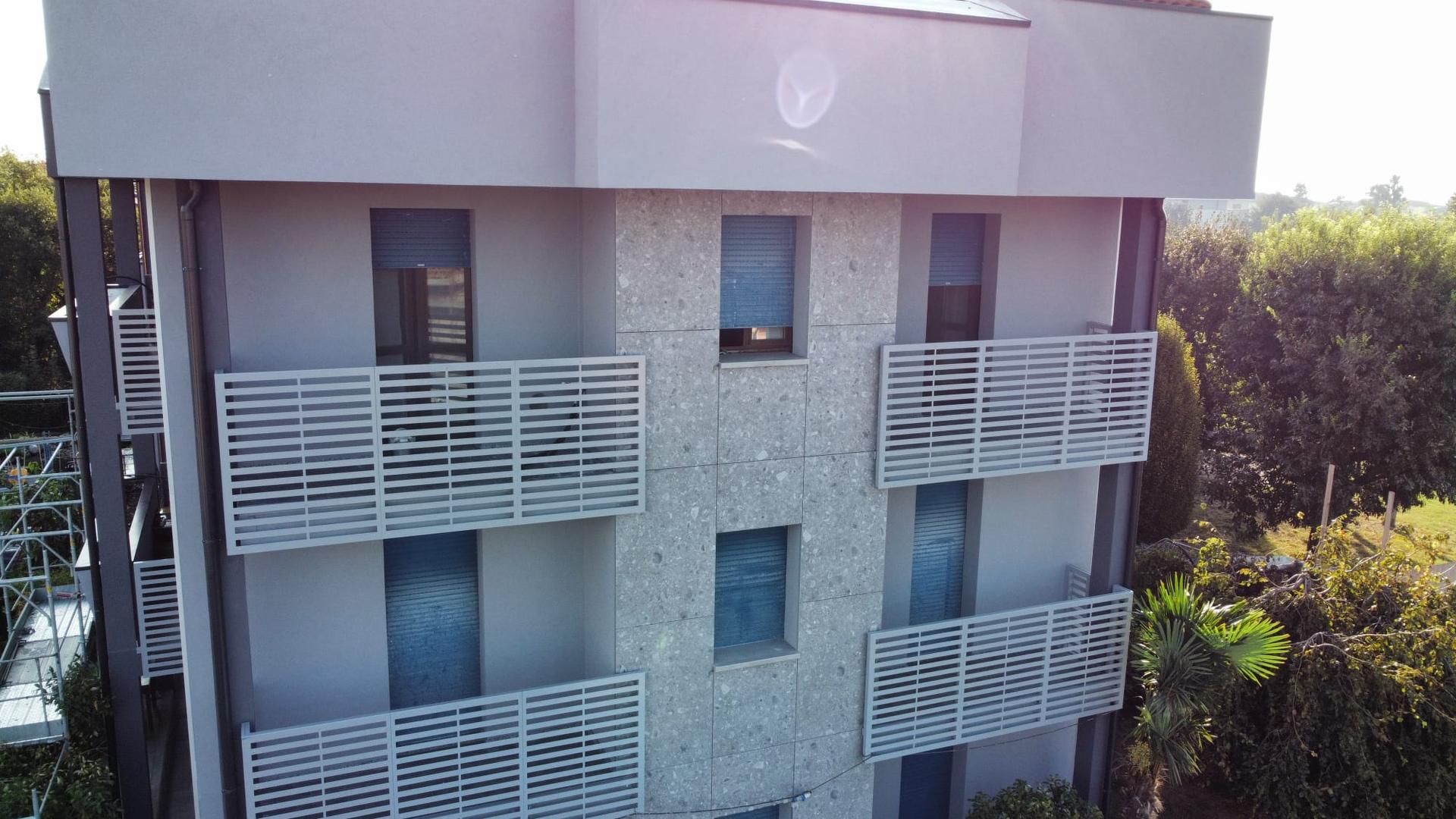
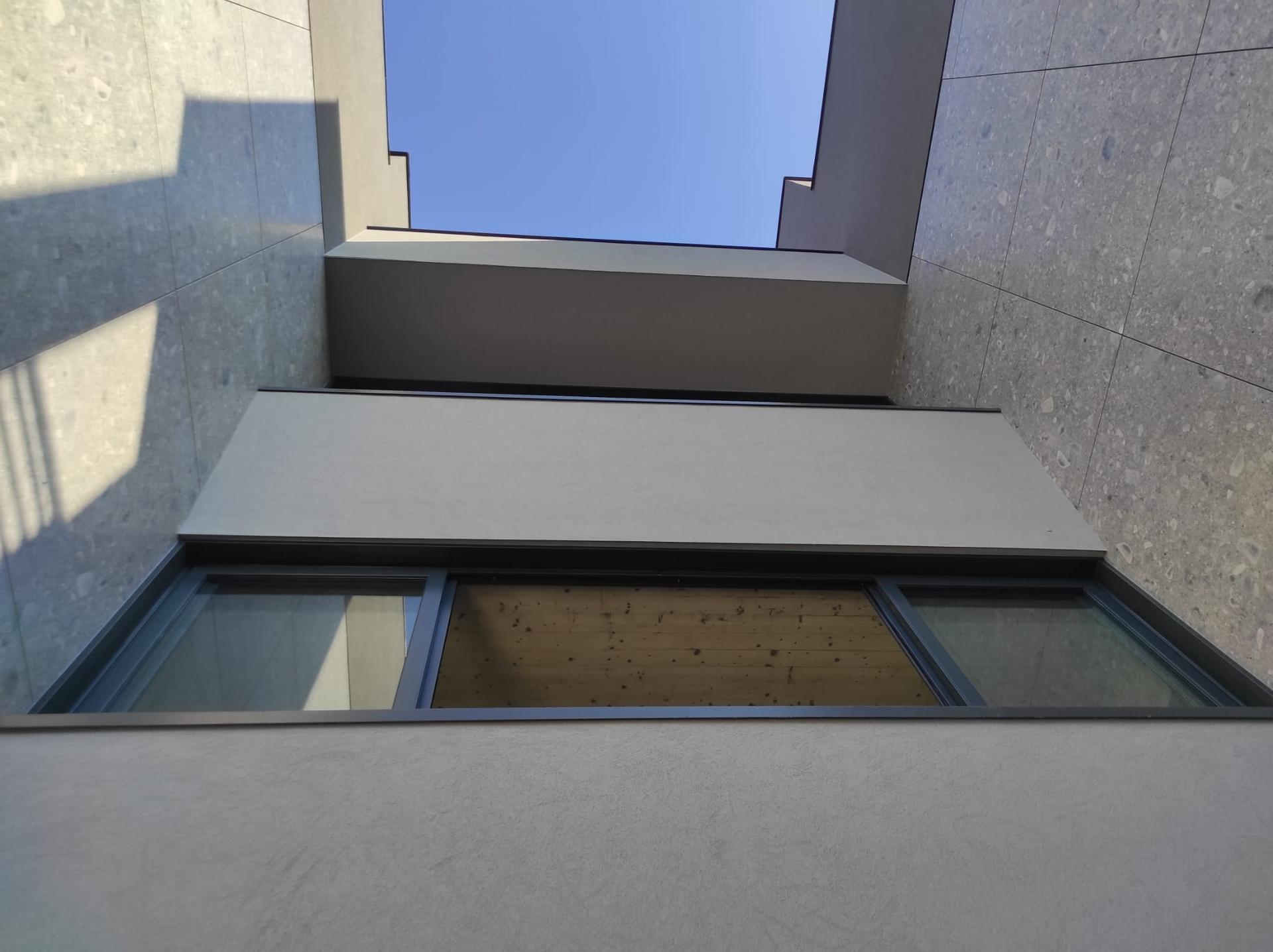
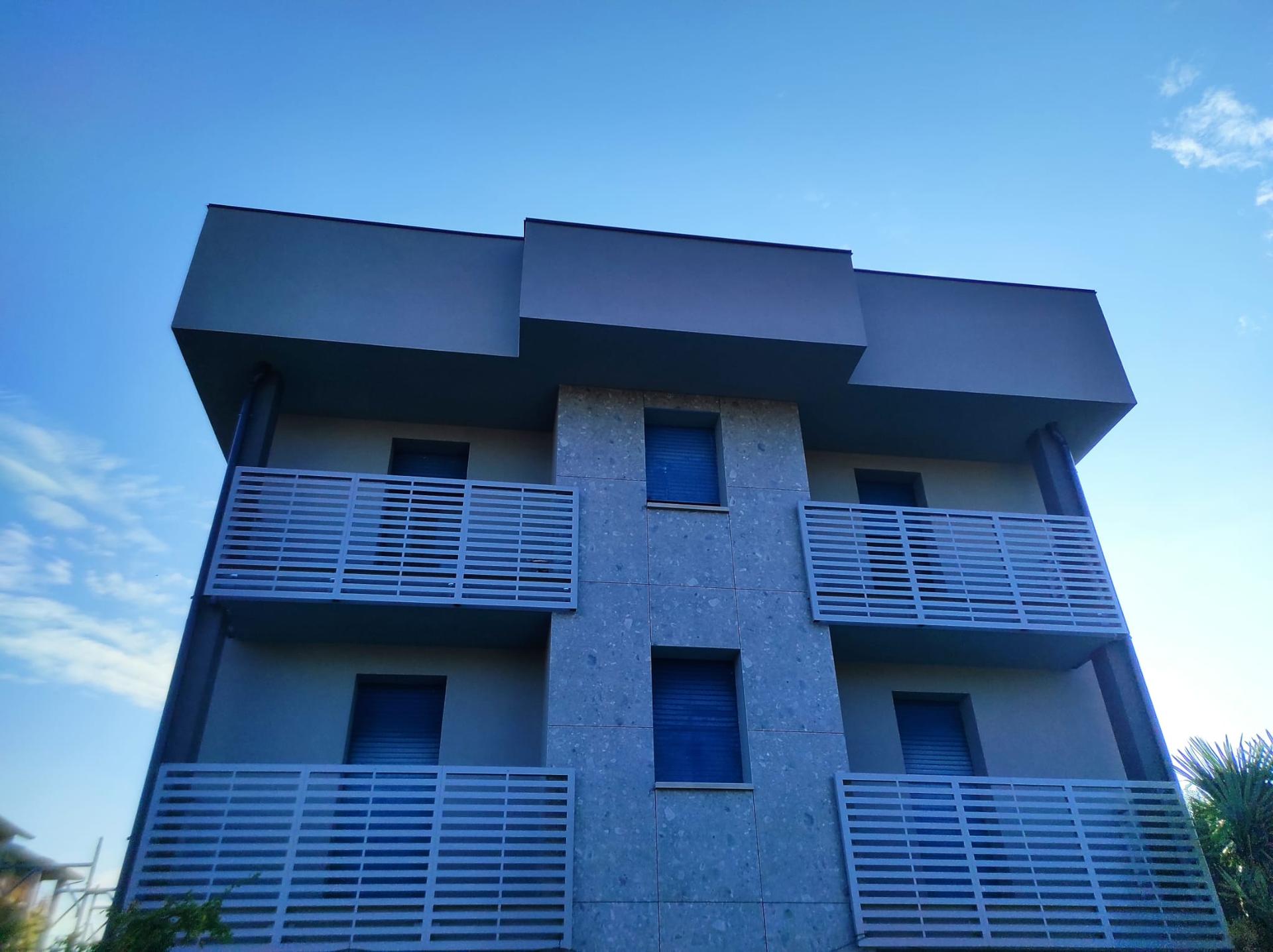
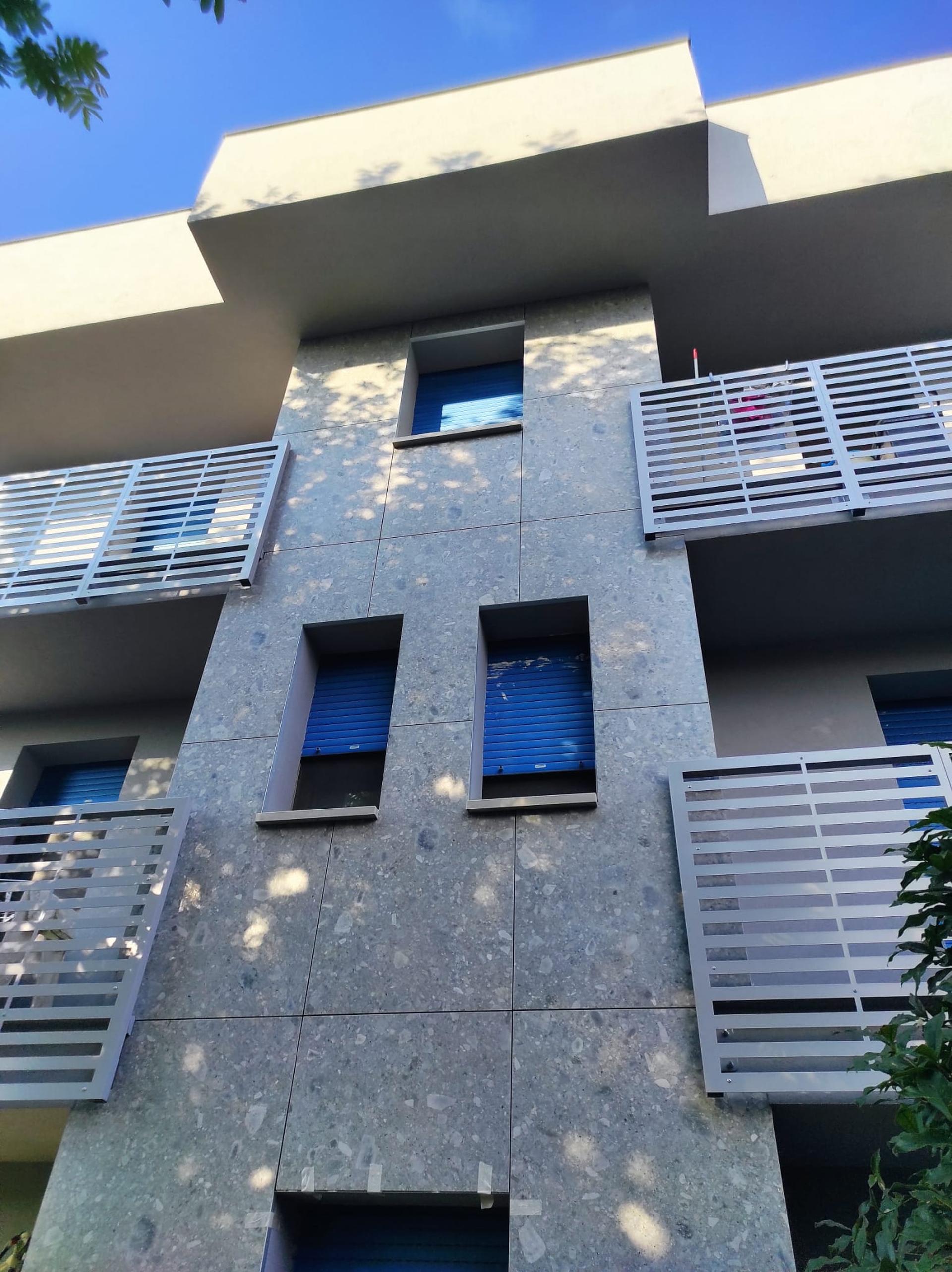
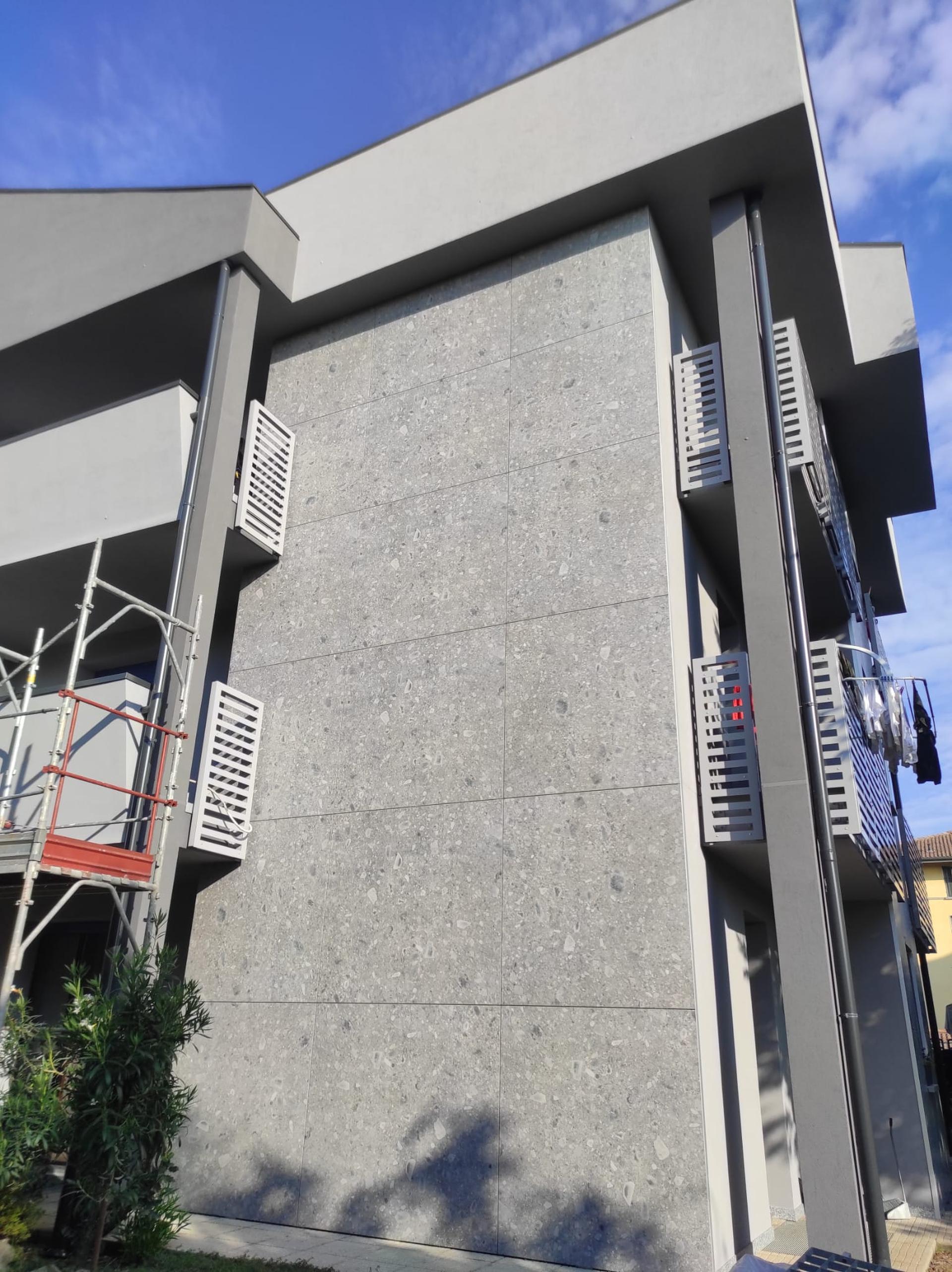
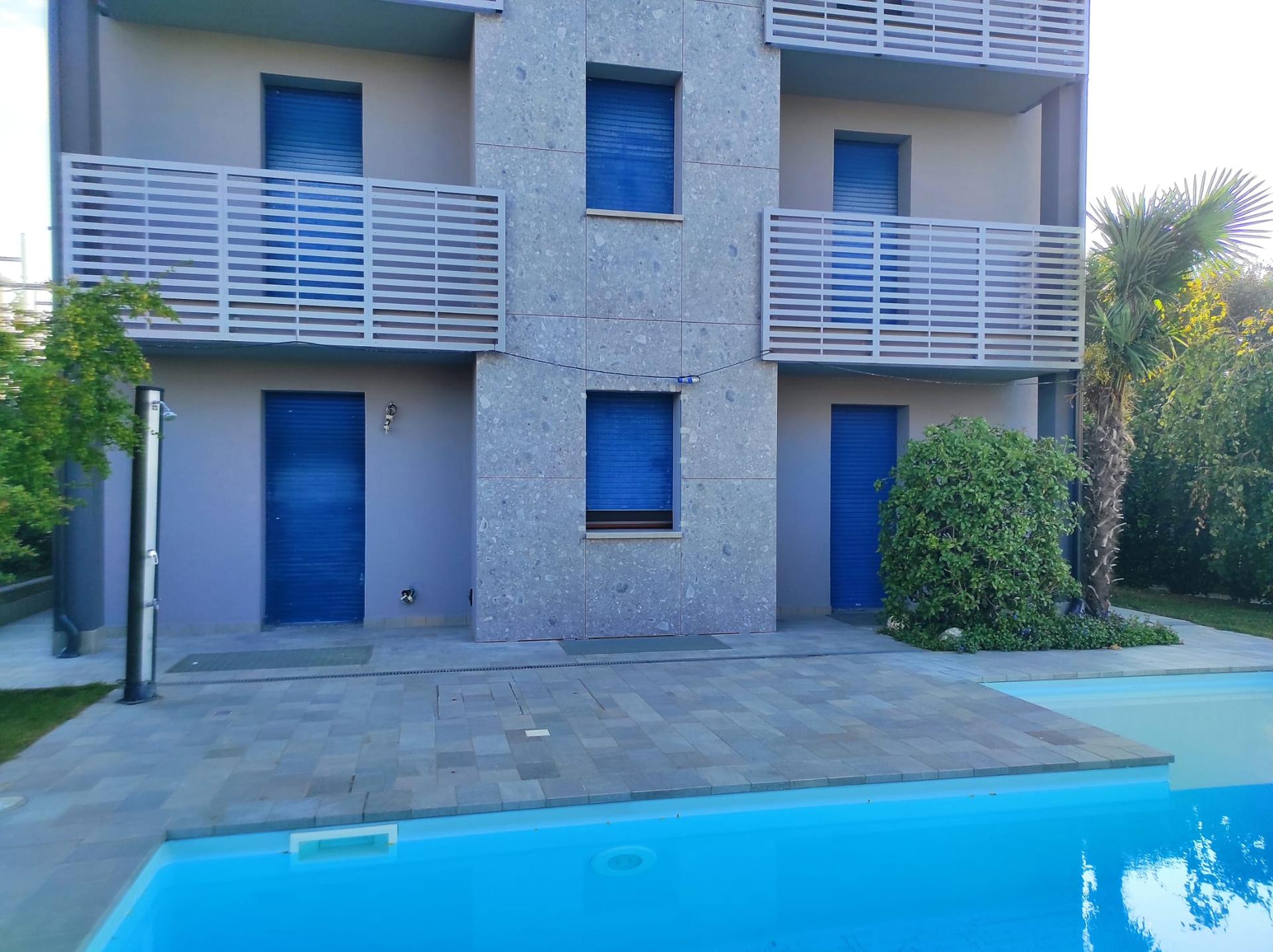
The three-storey, five-apartment building also underwent a complete exterior renovation. The original exposed concrete finishes and blue details were replaced with “a colour palette that softened the impact of the existing shutters and worked in harmony with the new materials,” says Angiolini. “Ventilated porcelain stoneware façades were installed on the most strategic sections, while traditional external insulation was applied to less critical areas such as the balcony fronts, where natural ventilation would not have guaranteed the same performance.”
The balcony parapets were also replaced and their cladding renewed, contributing to a cleaner, more contemporary look. “The result is a more efficient building with coherent lines and durable materials, enhancing the original aesthetics through a modern, integrated architectural language,” Angiolini notes.
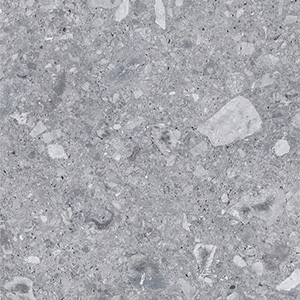
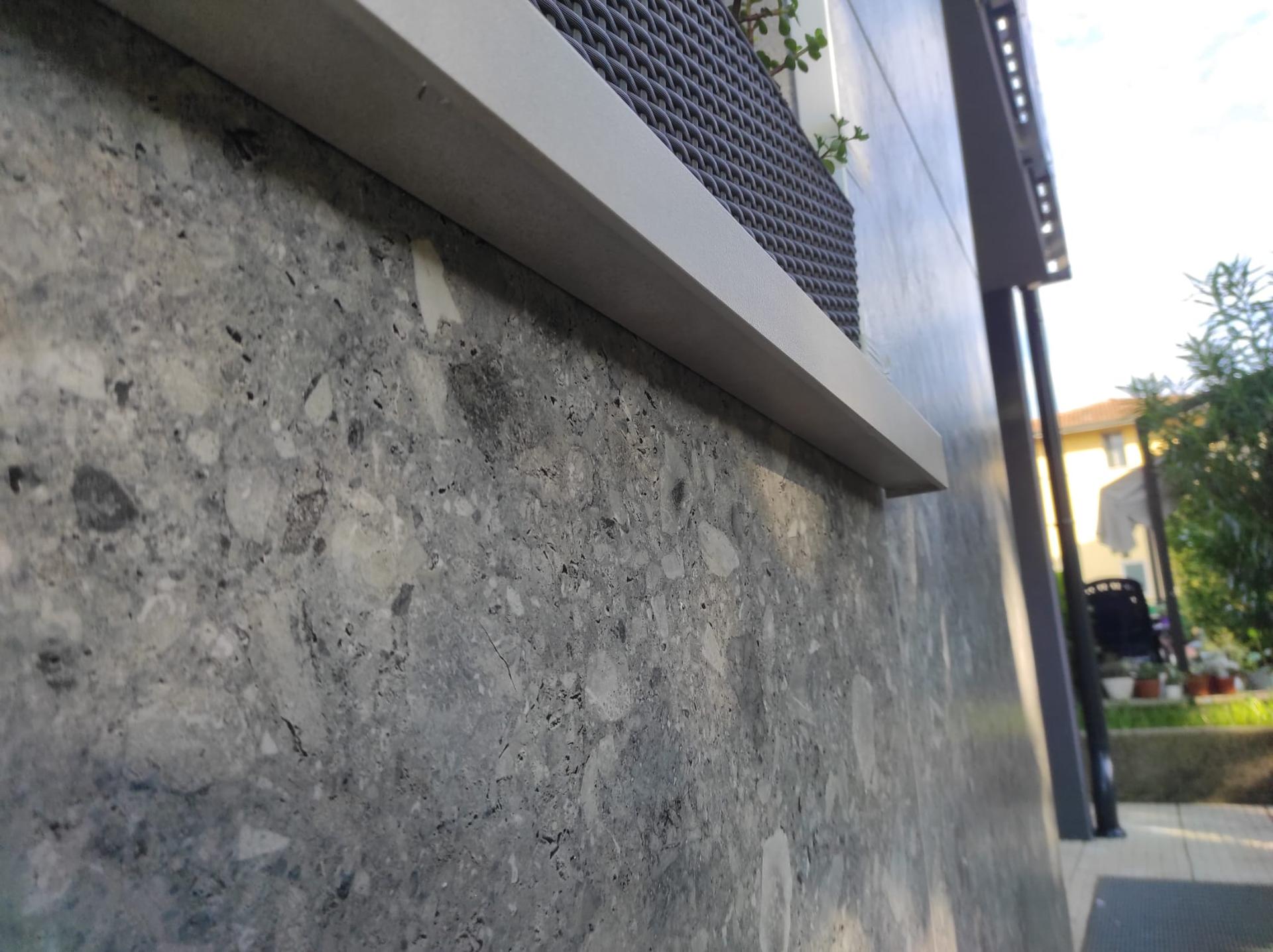
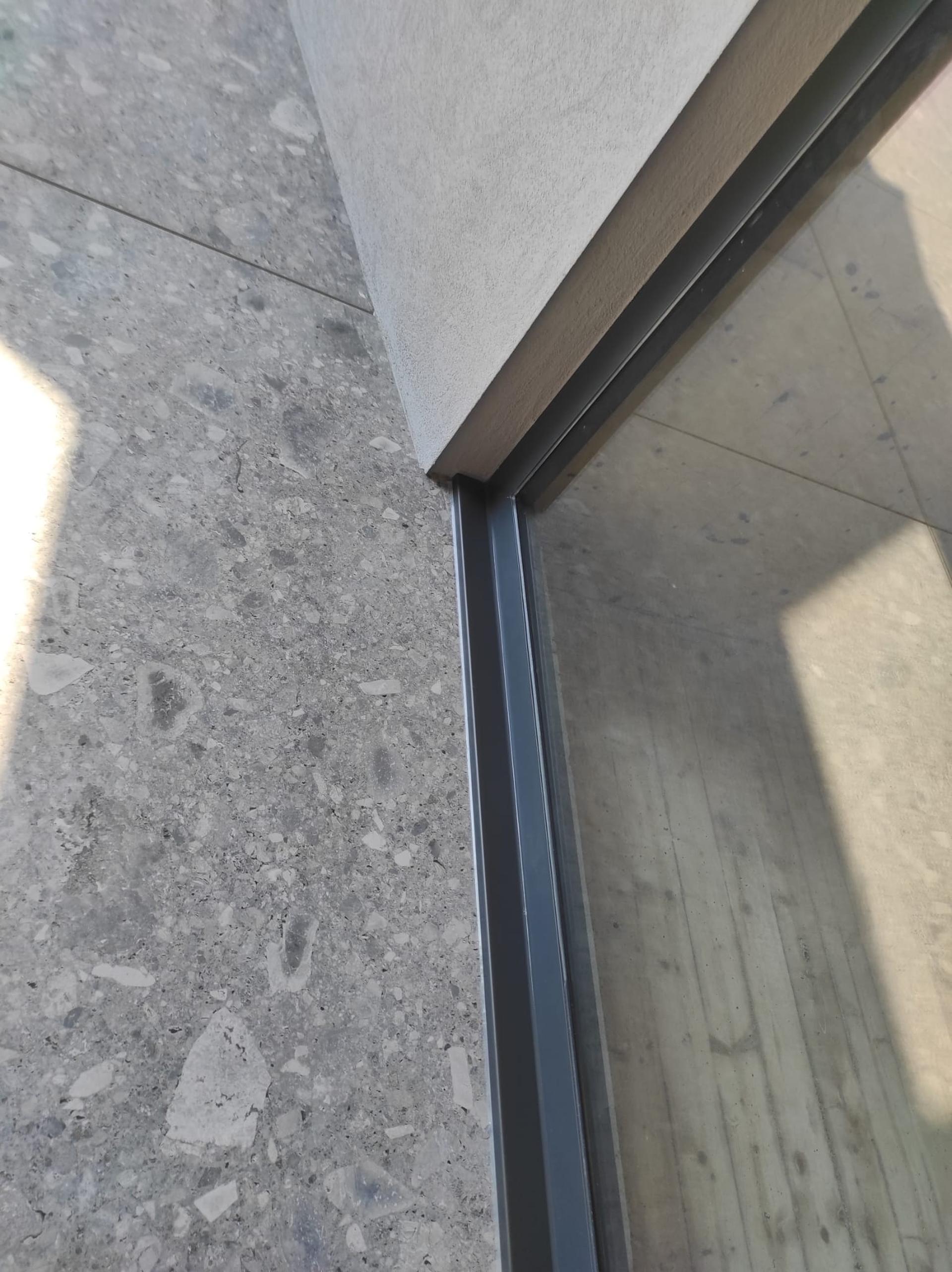
A key element was the choice of Ceppo di Gré-effect ceramic tiles from Energieker, which provide durability, weather resistance and low maintenance – all essential for long-lasting renovation work. Natural Ceppo di Gré stone, by contrast, would not have guaranteed the same performance, as its composition of cemented fragments makes it prone to deterioration and shedding debris. Porcelain stoneware recreates the look of the original material without these issues.
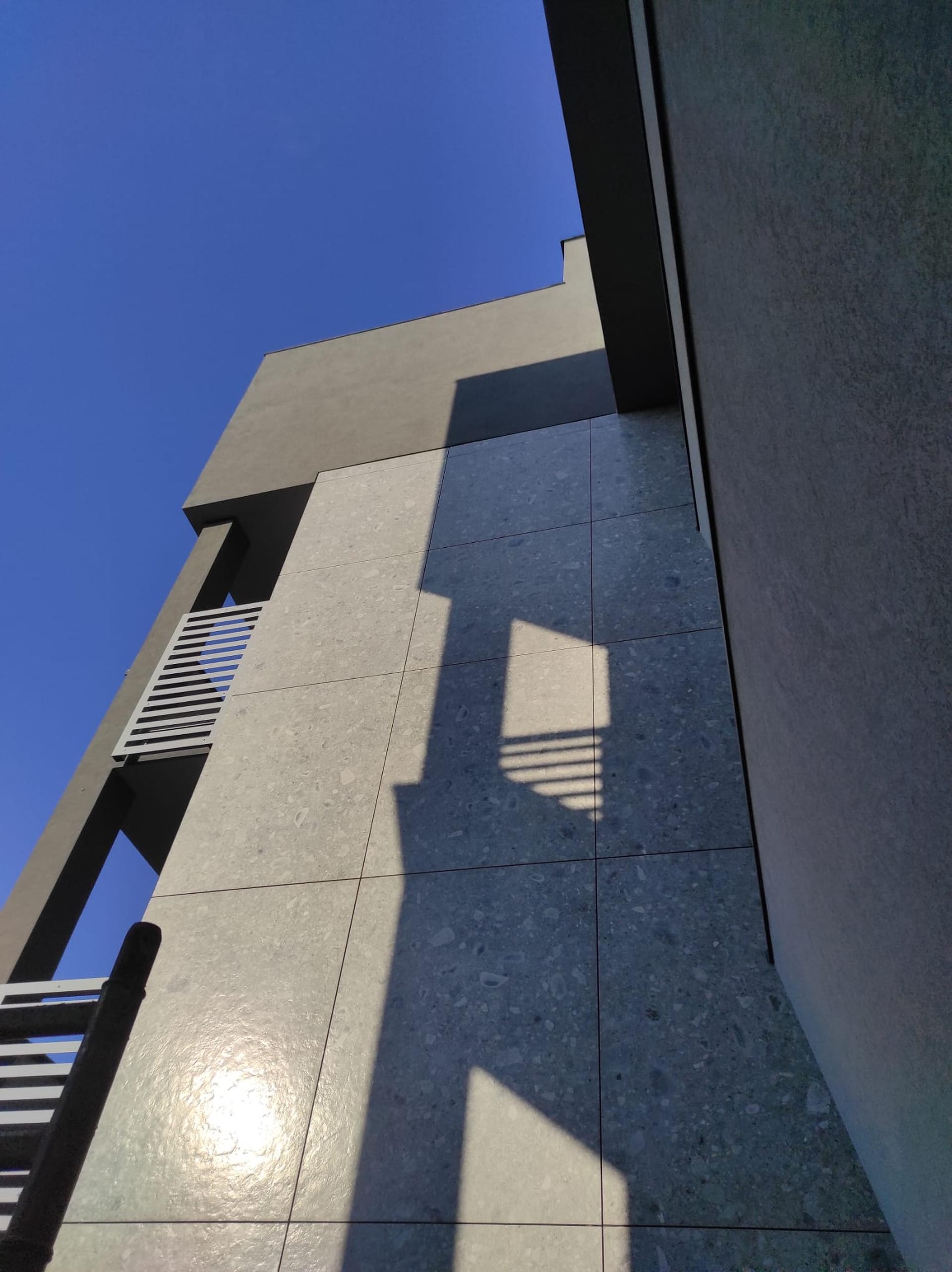
The use of ceramic also reduced the project’s environmental impact. “Opting for a certified industrial product rather than a natural material avoids the need for quarrying and transport, conserving natural resources while maintaining the distinctive look of Ceppo di Gré,” Angiolini adds. Aesthetically, the ceramic solution restores movement and prestige to the larger and previously plain sections of the façade, creating an elegant, dynamic texture with square-format slabs (12 mm thick) that minimise the perception of joints in the ventilated system. The result is a coherent, efficient and unmistakably contemporary building.