













В районе Пудун в Шанхае реализован изысканный проект, который с помощью современных линий и материалов переосмысливает элементы, лежащие в основе тысячелетней чайной церемонии. Проект студии Puju Design стал пространственным и материальным выражением ритуала, который прежде всего является поиском особого состояния внутренней созерцательности, где соединяются гармония, спокойствие и сдержанность. Это ритуал, в котором жесты и материалы образуют своеобразную каноническую сценографию, передаваемую из поколения в поколение. Гармония между человеком и природой, внимание к деталям, забота и ощущение остановившегося времени нашли свое воплощение в чайном салоне Da Yin Hang — пространстве, отражающем саму сущность церемонии, в которой ни один элемент не случаен и все способствует созданию изысканной гармоничной композиции.
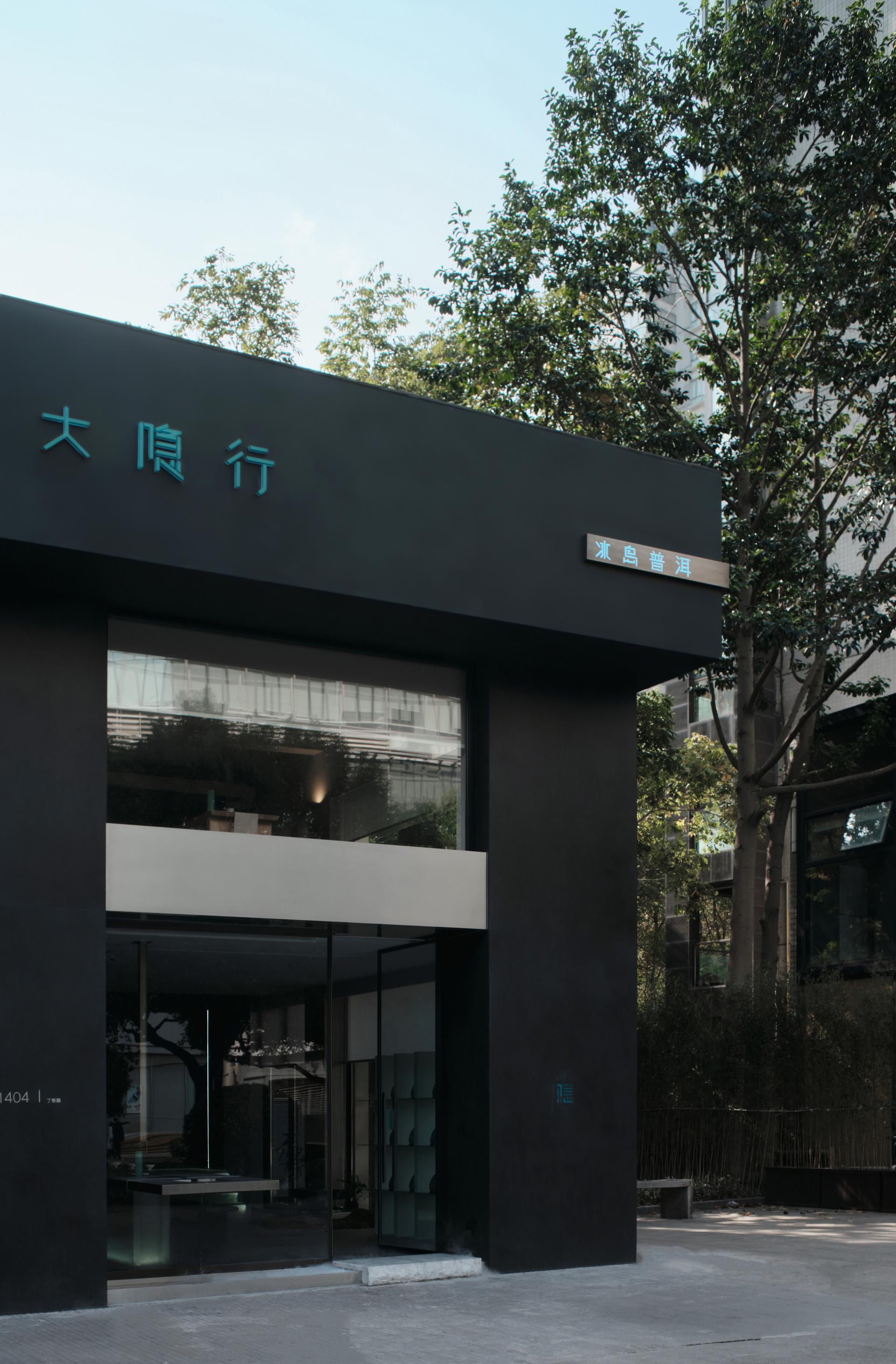
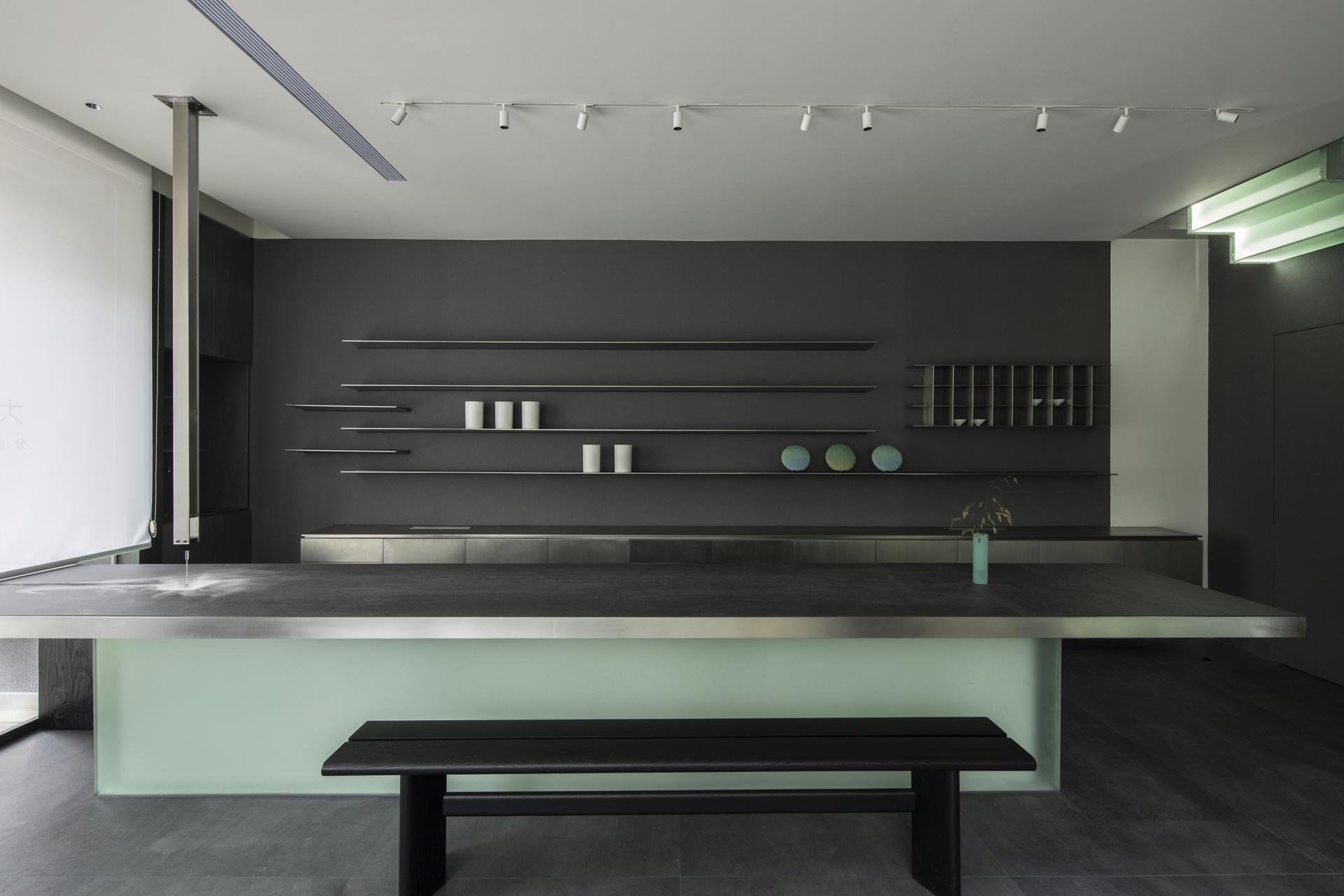
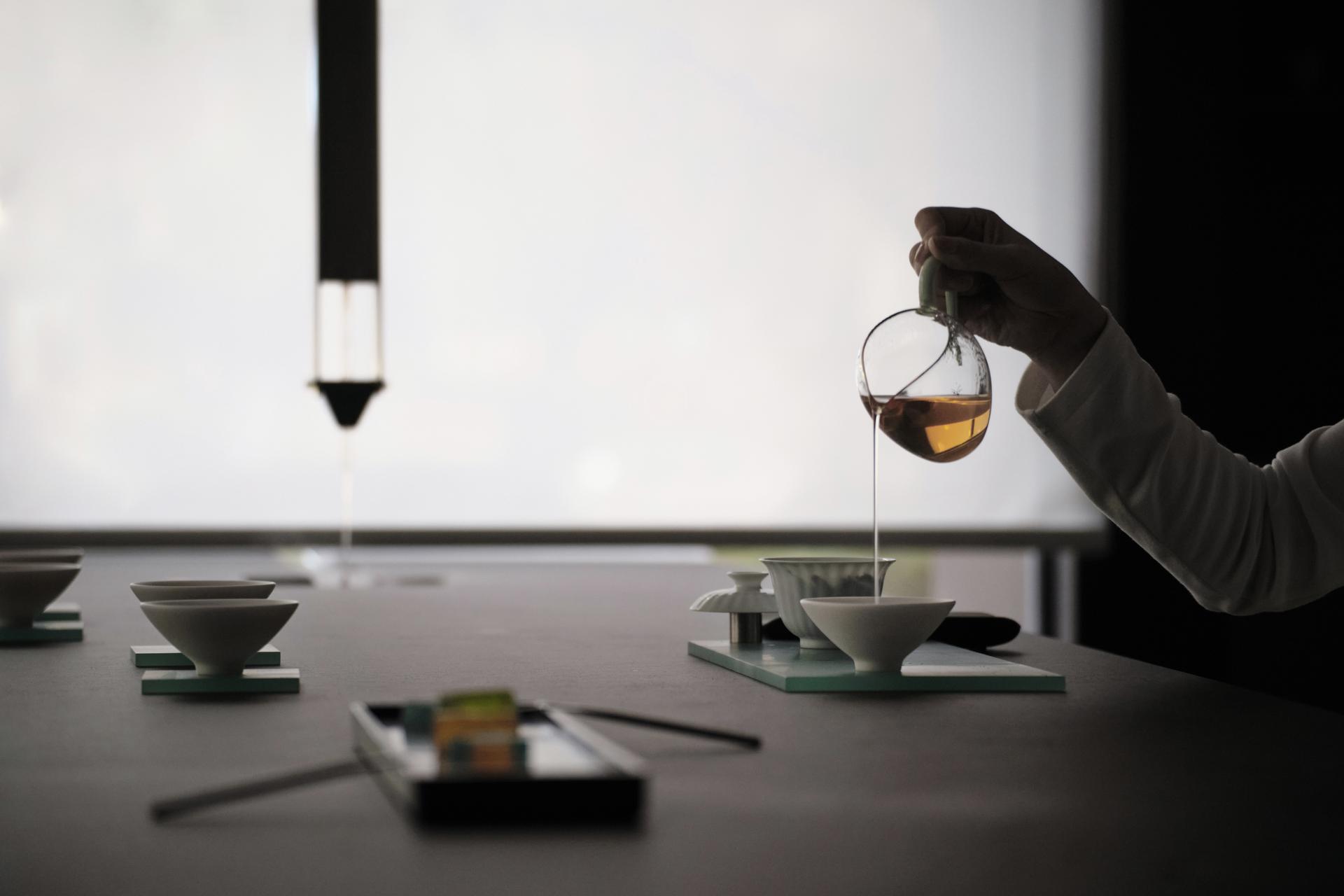
Проект представляет собой двухэтажное здание. Верхний этаж предназначен для частного использования, тогда как первый этаж является открытым для посетителей пространством, где проходят дегустации чая и демонстрация продукции. Главным элементом интерьера стал впечатляющий стол длиной пять метров, который, вопреки традиции, выполнен не из дерева. Отказавшись от привычных атрибутов китайских чайных домов, авторы проекта выбрали современный подход, основанный на строгой геометрии и использовании высокотехнологичных материалов. Для изготовления стола древесина была заменена керамогранитом, а именно материалом Pietra di Savoia Antracite из коллекции I Naturali компании Laminam. Этот продукт напоминает природный камень ручной обработки и позволяет создать одновременно выразительный тактильный и визуальный опыт. Кроме того, он идеально подходит для подобных целей благодаря своей устойчивости к высоким температурам, царапинам, образованию плесени и легкости в уходе.
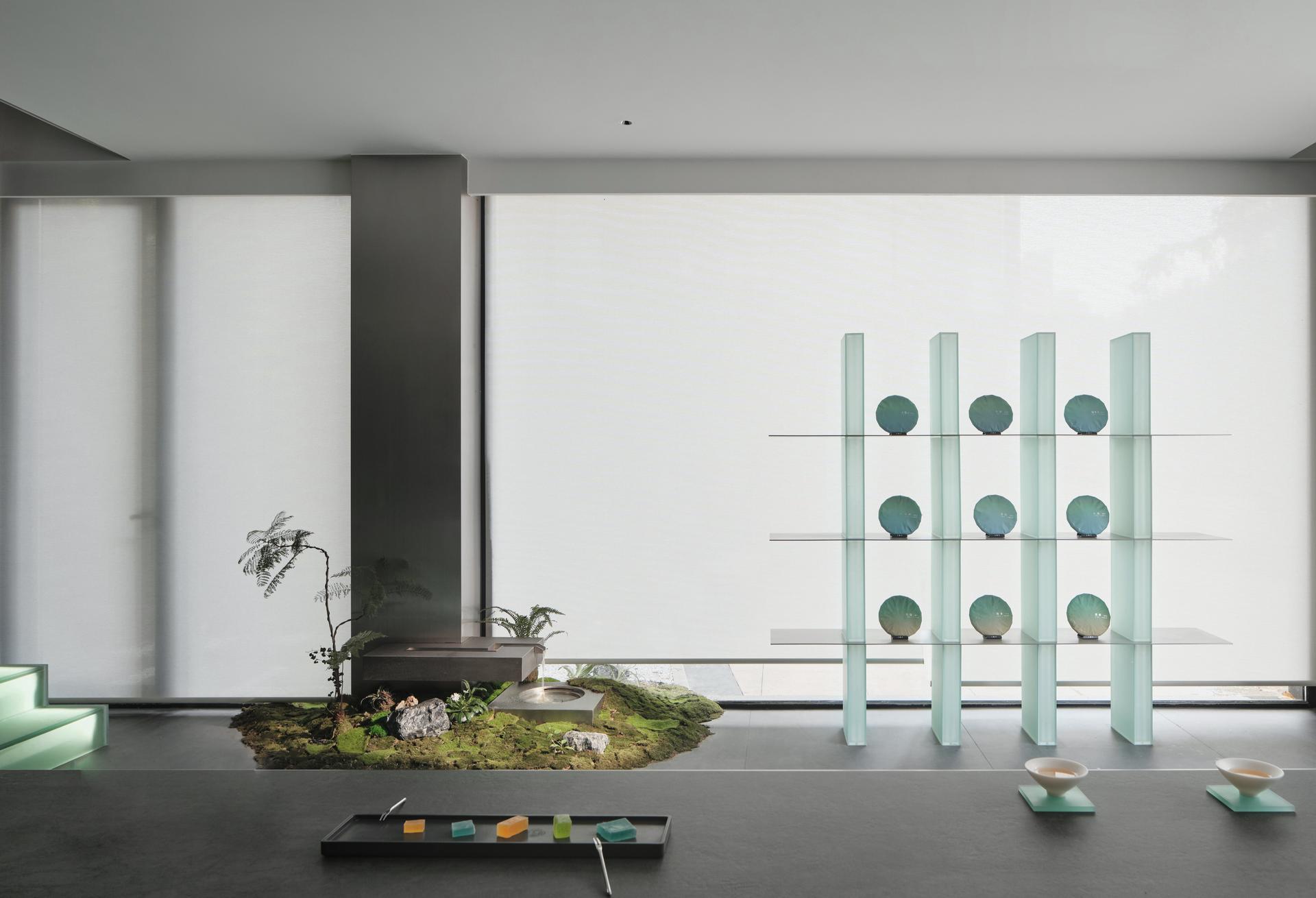
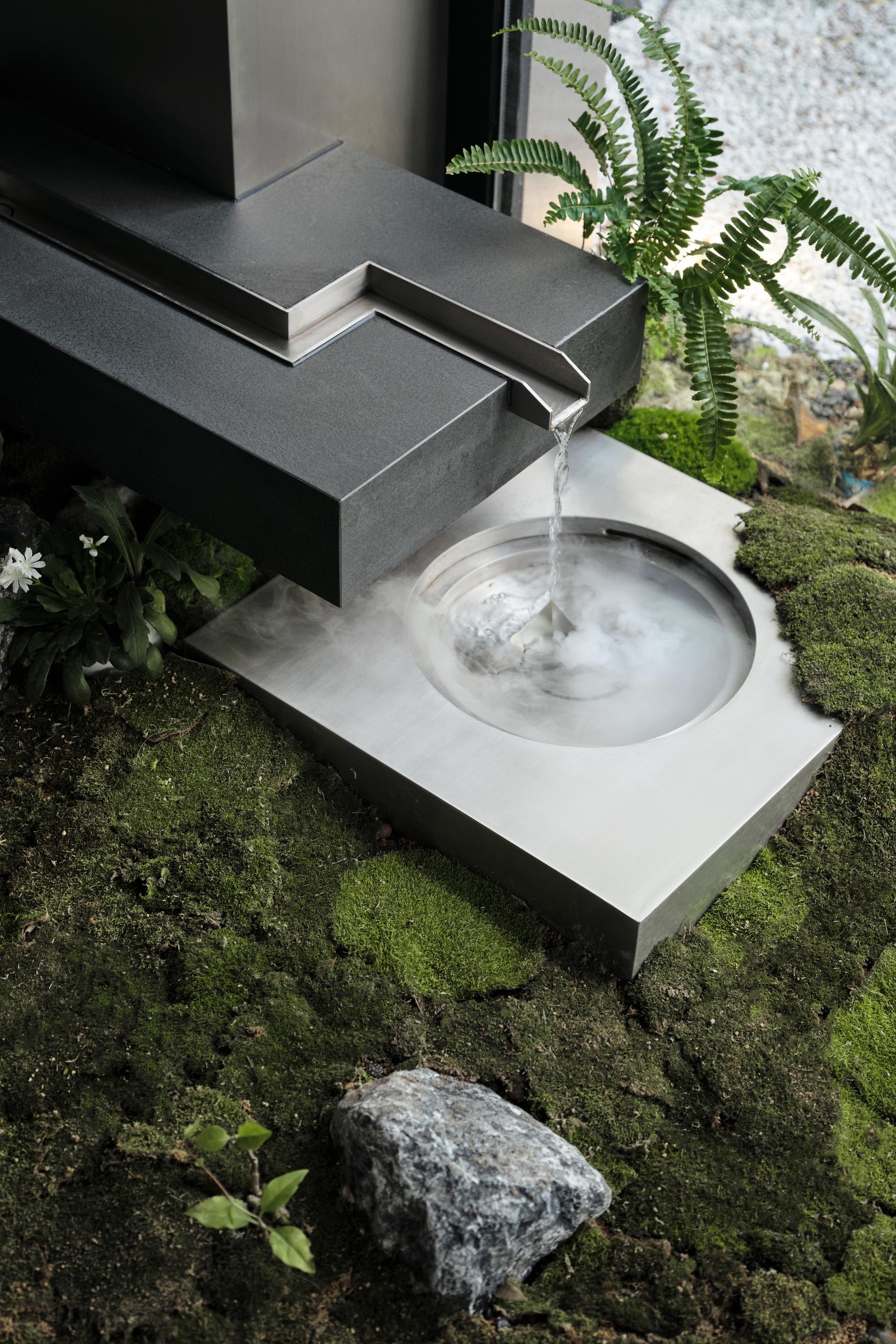
В этот высокотехнологичный и минеральный объект был интегрирован динамичный природный элемент — вода. Специальный канал проходит через стол и впадает в резервуар, расположенный у входа, создавая своеобразное приглашение войти внутрь и формируя диалог между природой и технологиями. Коллекция, выбранная для изготовления стола, была использована также для оформления внутренних полов. Для вертикальных поверхностей как внутри, так и снаружи здания применили коллекцию Calce в оттенке Nero — одном из самых выразительных цветов серии, вдохновленной простотой только что оштукатуренной стены.
Подтверждая стремление создать идеальную связь между интерьером и экстерьером, цветовая и материальная непрерывность отделки строится на сочетании глубоких черных и серебристых тонов. На этом фоне особенно выделяются зеленые глянцевые элементы из стекла, использованные для оснований столов, выставочных полок и внутренней лестницы. Оттенок этого стекла навеян знаменитой китайской картиной «Цянь ли цзян шань ту» («Тысяча ли рек и гор») и цветом вод озера Биндао — места происхождения чая, который предлагают посетителям этого салона.