


Projects


В Кассано-д’Адда исторический центр возрождается (и становится комфортным для всех)
Francesca Gugliotta
Rocco Fidanza
ABC studio
Impresa Legrenzi
SAXA GRES
2024
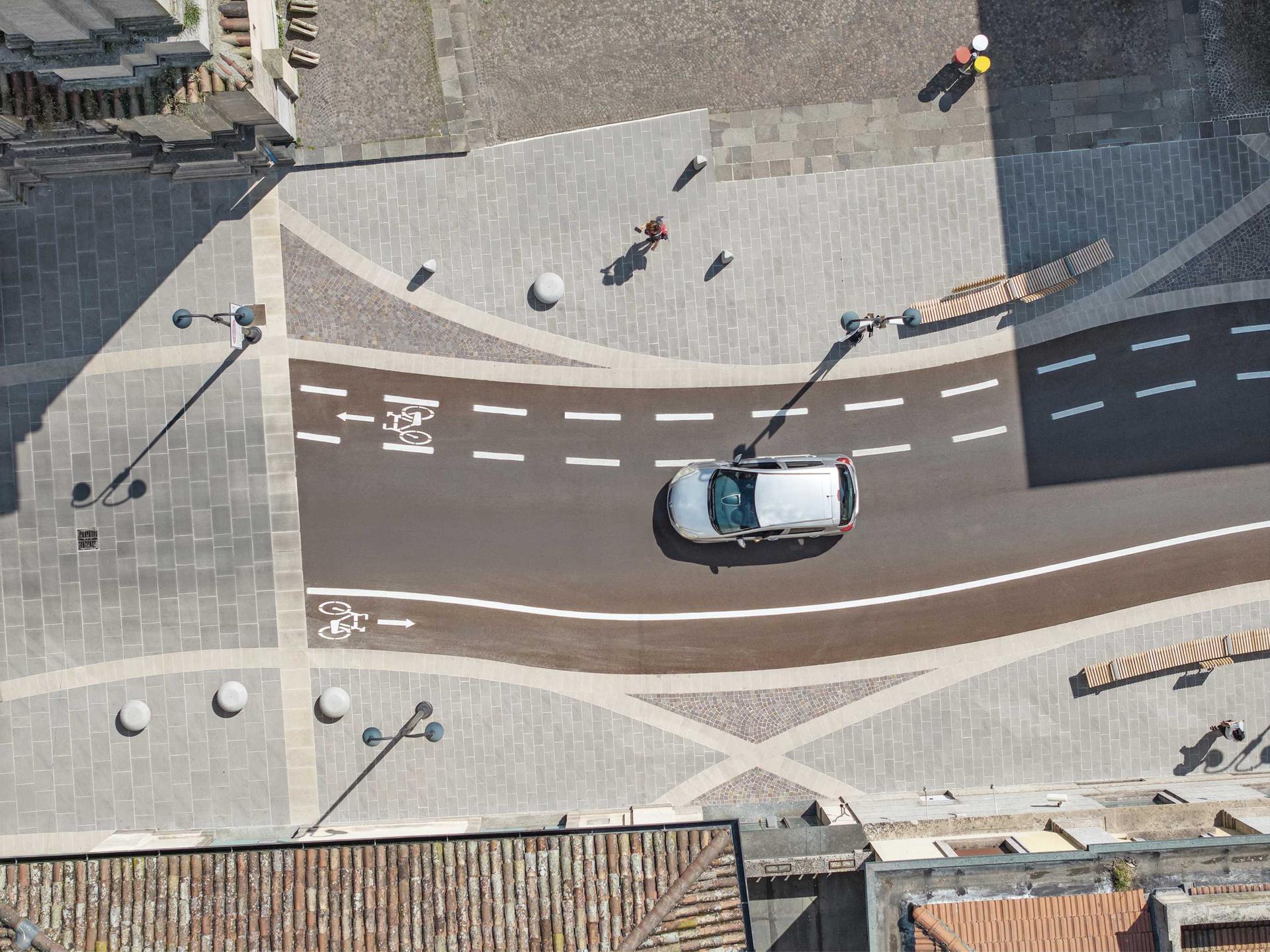
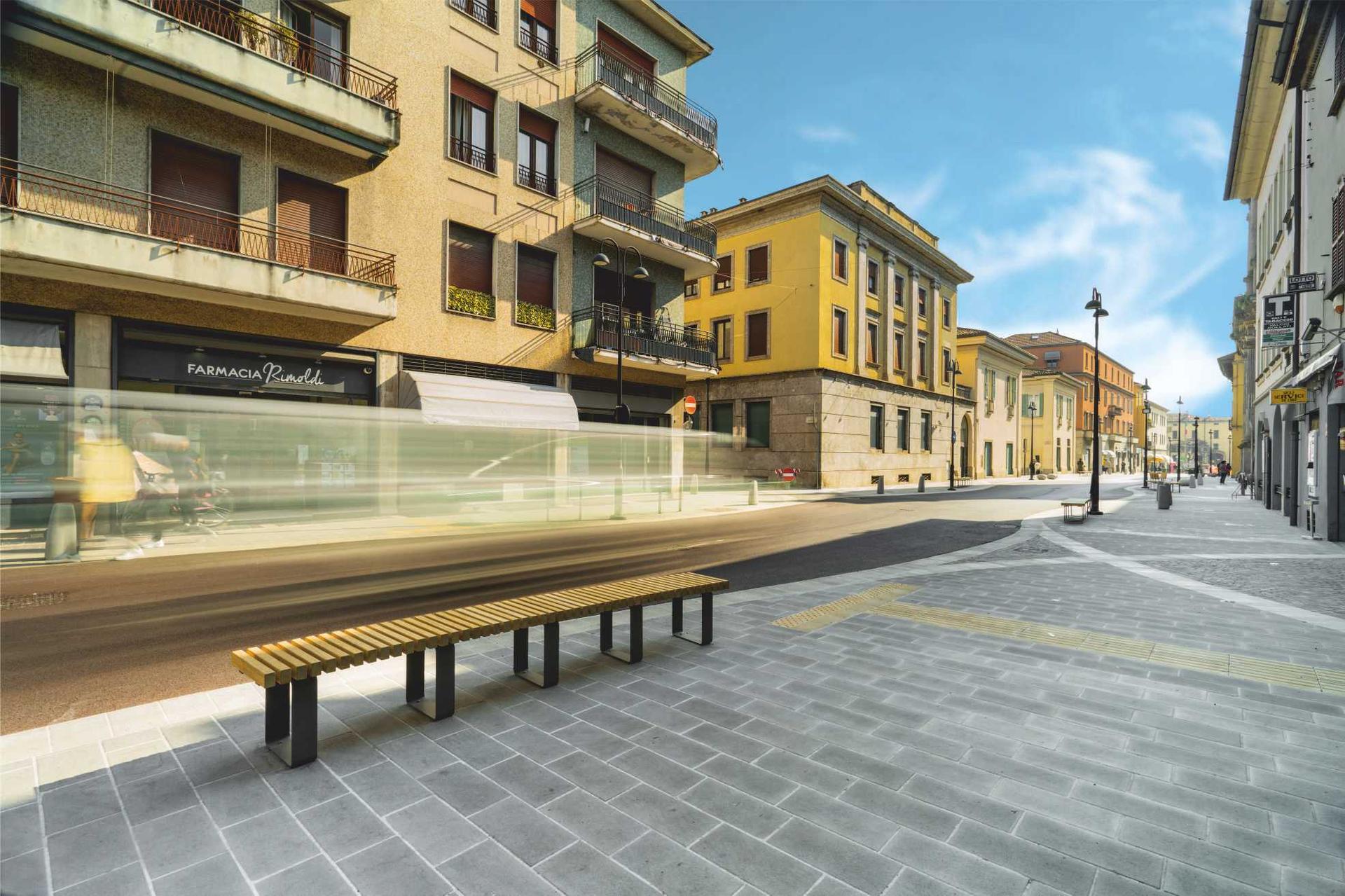
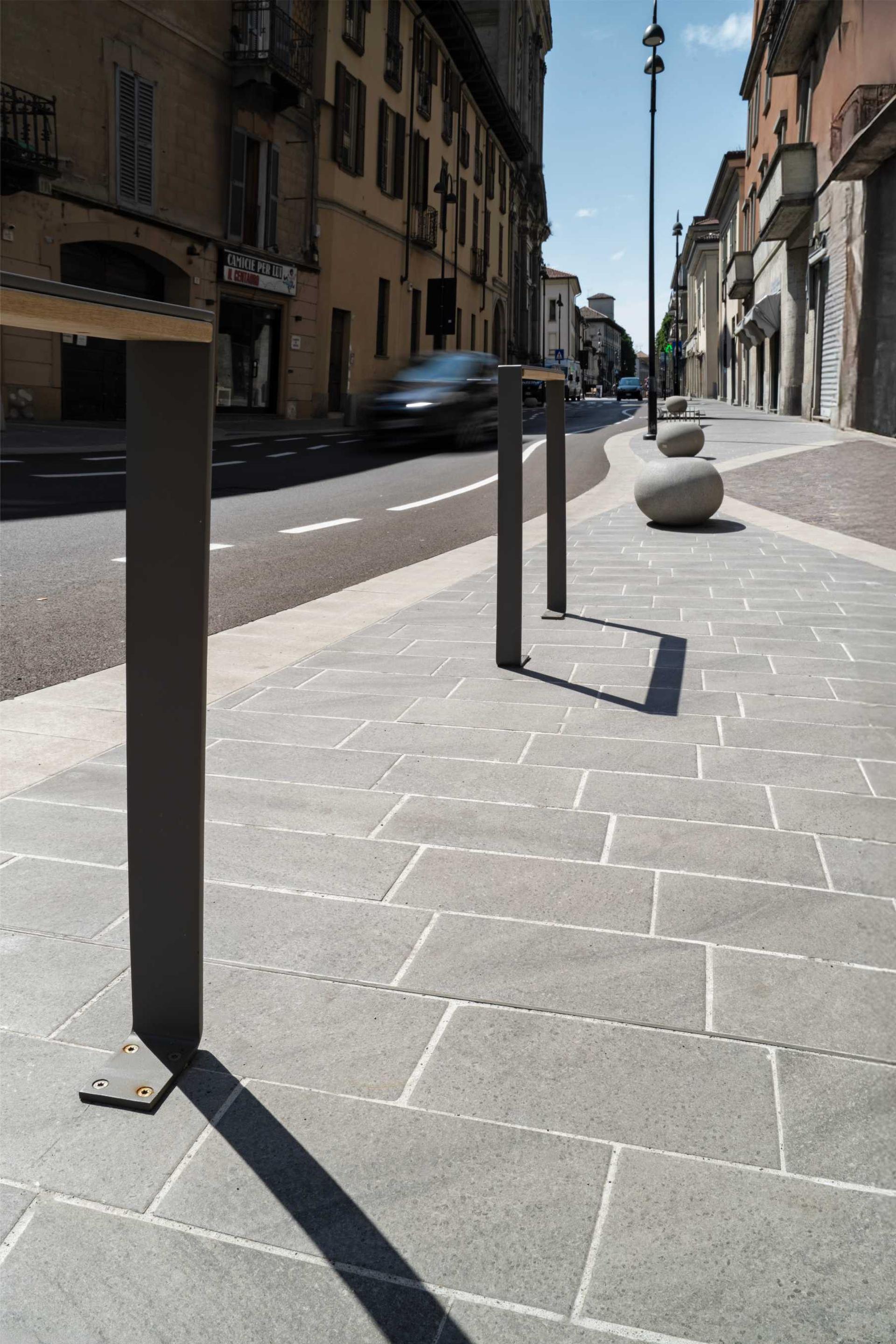
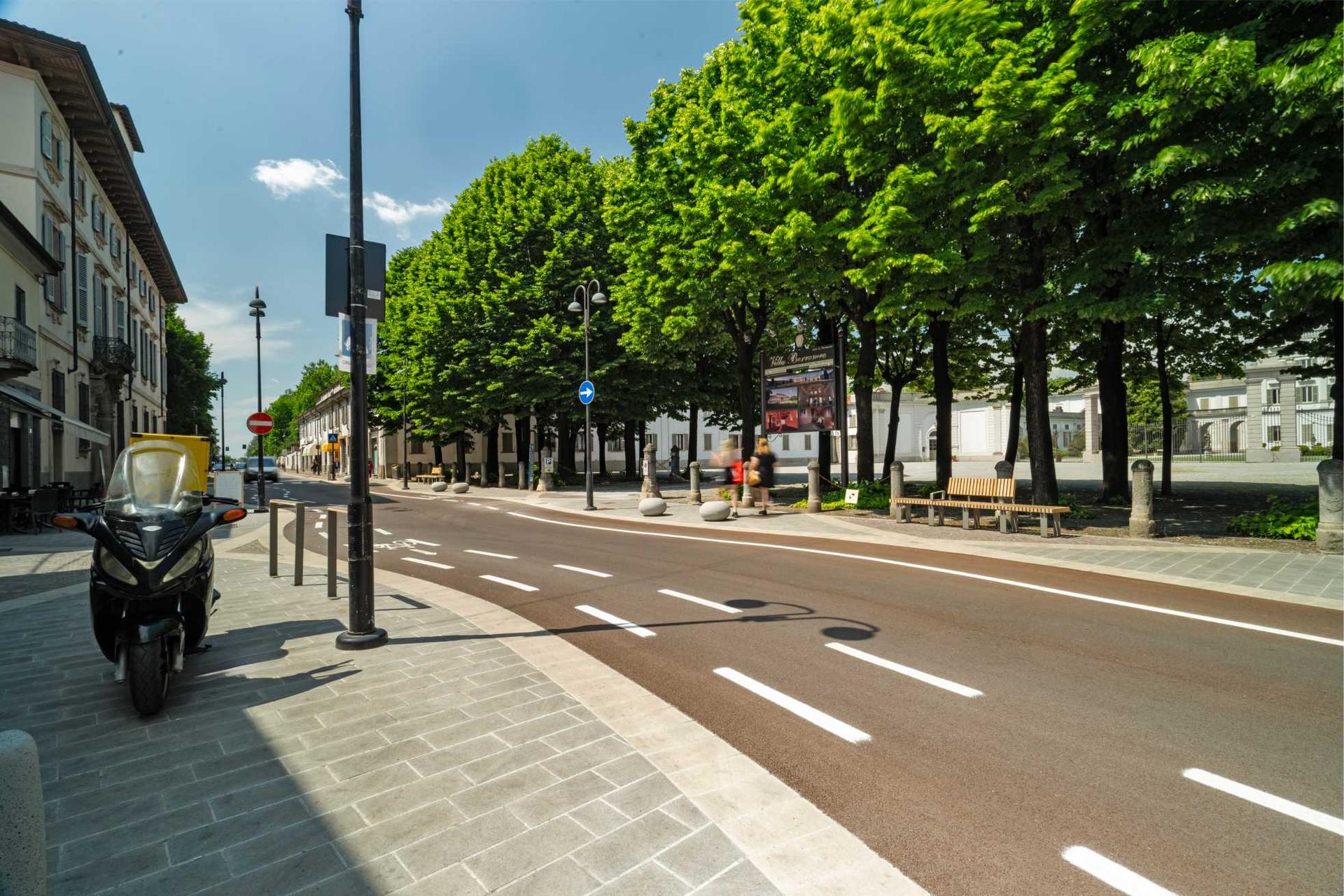
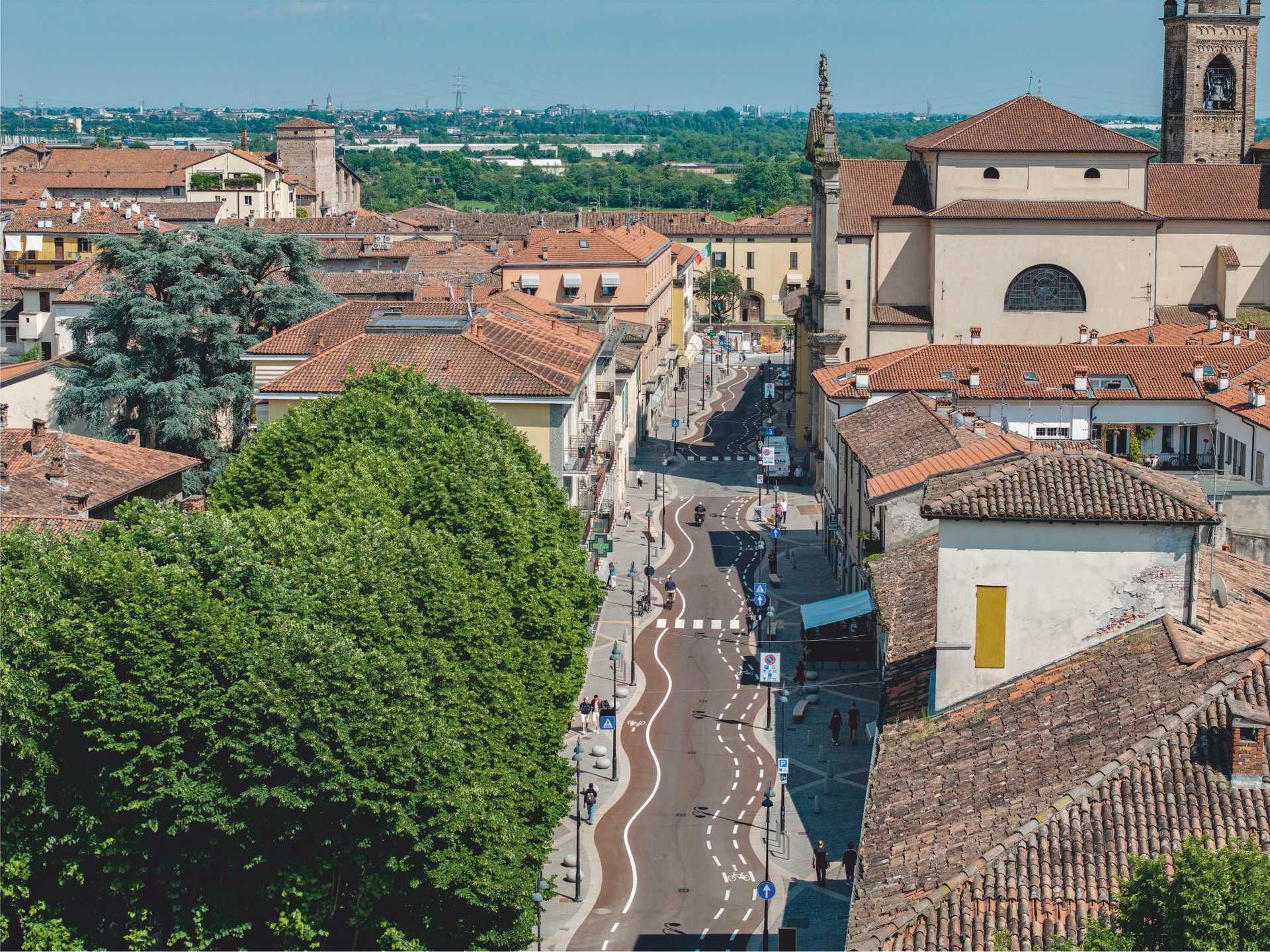
Красота спасет нас. Начиная с городских контекстов. Это происходит в Кассано-д’Адда, в провинции Бергамо, где был обновлен центр города, став более красивым и доступным для всех, потому что в результате проекта были также устранены архитектурные барьеры. «Проект Виа Венето возник из необходимости городской администрации провести реконструкцию главной артерии, проходящей через город», — рассказывают архитекторы Анджела Черезоли и Массимо Бернарделли. «До вмешательства люди могли передвигаться по центру города только благодаря наличию двух старых узких тротуаров с архитектурными барьерами. Часто велосипедисты, чтобы избежать движения по проезжей части, выбирали тротуары, вступая в постоянные конфликты с пешеходами. Условия для передвижения людей с инвалидностью также были критическими.
Парковка вдоль обеих сторон улицы и интенсивное движение (и скорость) моторизованных транспортных средств создавали небезопасные условия для всех. Проект был направлен на то, чтобы ответить на желание заказчика восстановить собственно городские функции. С открытием кольцевой дороги и последующим перенаправлением транзитных транспортных потоков стало возможным пересмотреть иерархическую роль оси и вернуть жителям более высокий уровень комфорта жизни в сердце города. Освобожденная от движения Виа Венето вновь стала городским пространством, где сочетаются различные функции, начиная с коммерческой деятельности и услуг, которые могут расширяться.
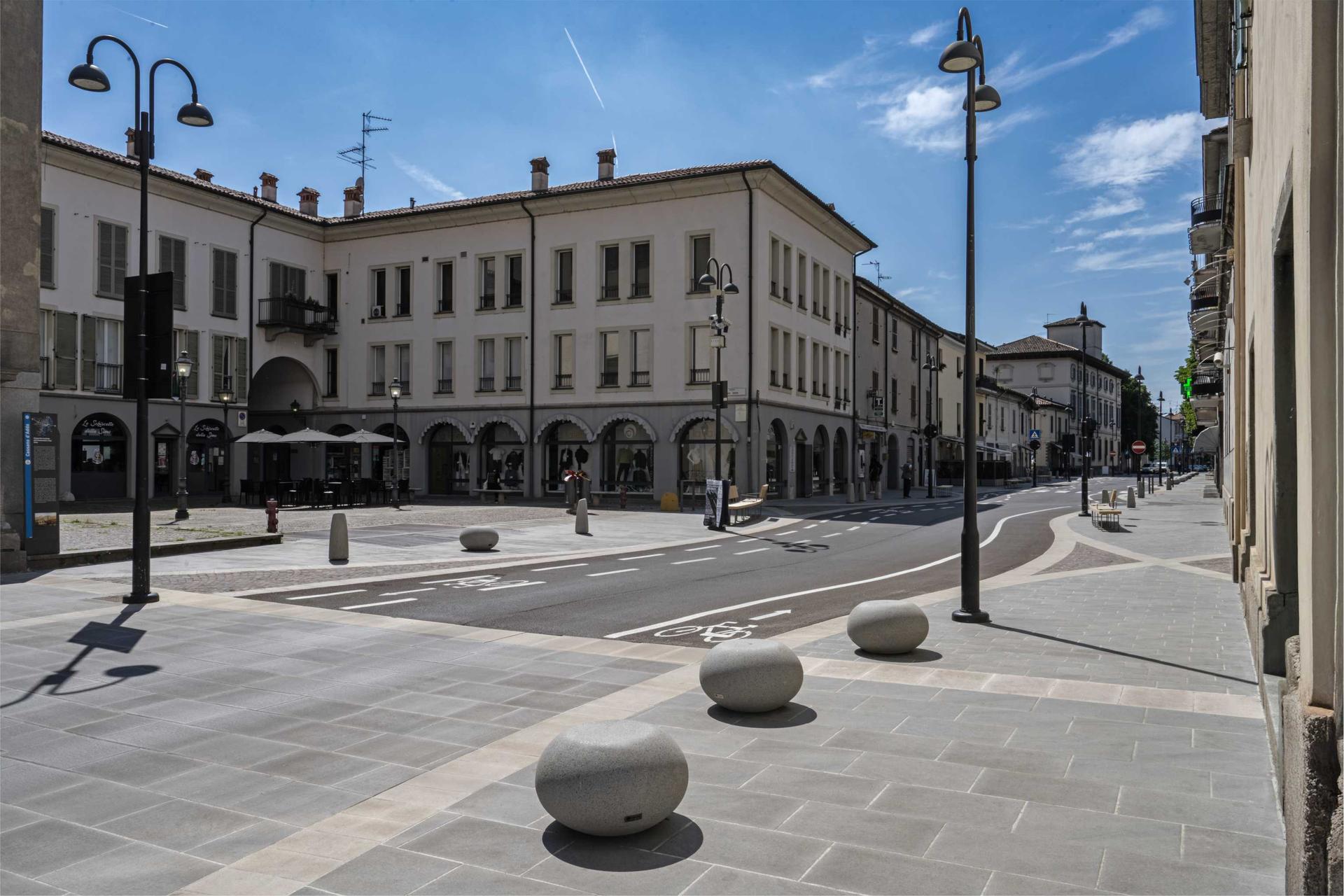
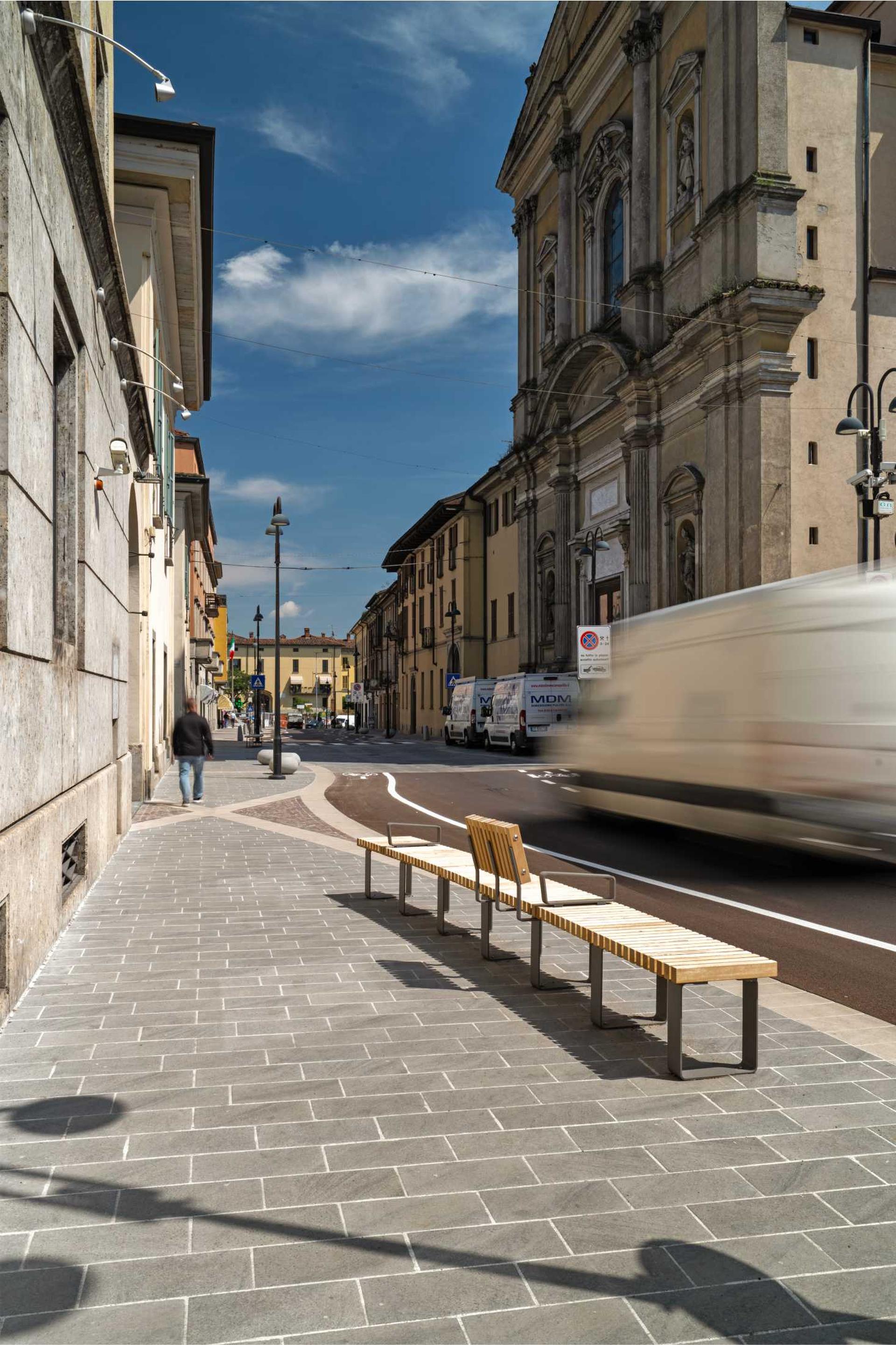
Отказ от изношенной и жесткой дорожной геометрии (только для автомобилей) привел к созданию красивого и оригинального проекта пространств, доступных для всех». Результатом стал более инклюзивный исторический центр: «Сделать городские пространства единой средой, красивой, открытой и обновленной, было одной из целей проекта», — продолжают архитекторы. «Безопасное место без архитектурных барьеров, где люди наконец могут пользоваться пространством в лучших условиях благодаря подходящим покрытиям, качественным элементам благоустройства городской среды, рассчитанным на пешеходов и велосипедистов, а также внедрению мер по снижению скорости движения. Иными словами, новая «площадка», способствующая встречам и социальному взаимодействию там, где церковь, муниципалитет, ораторий и коммерческие объекты находятся в диалоге».
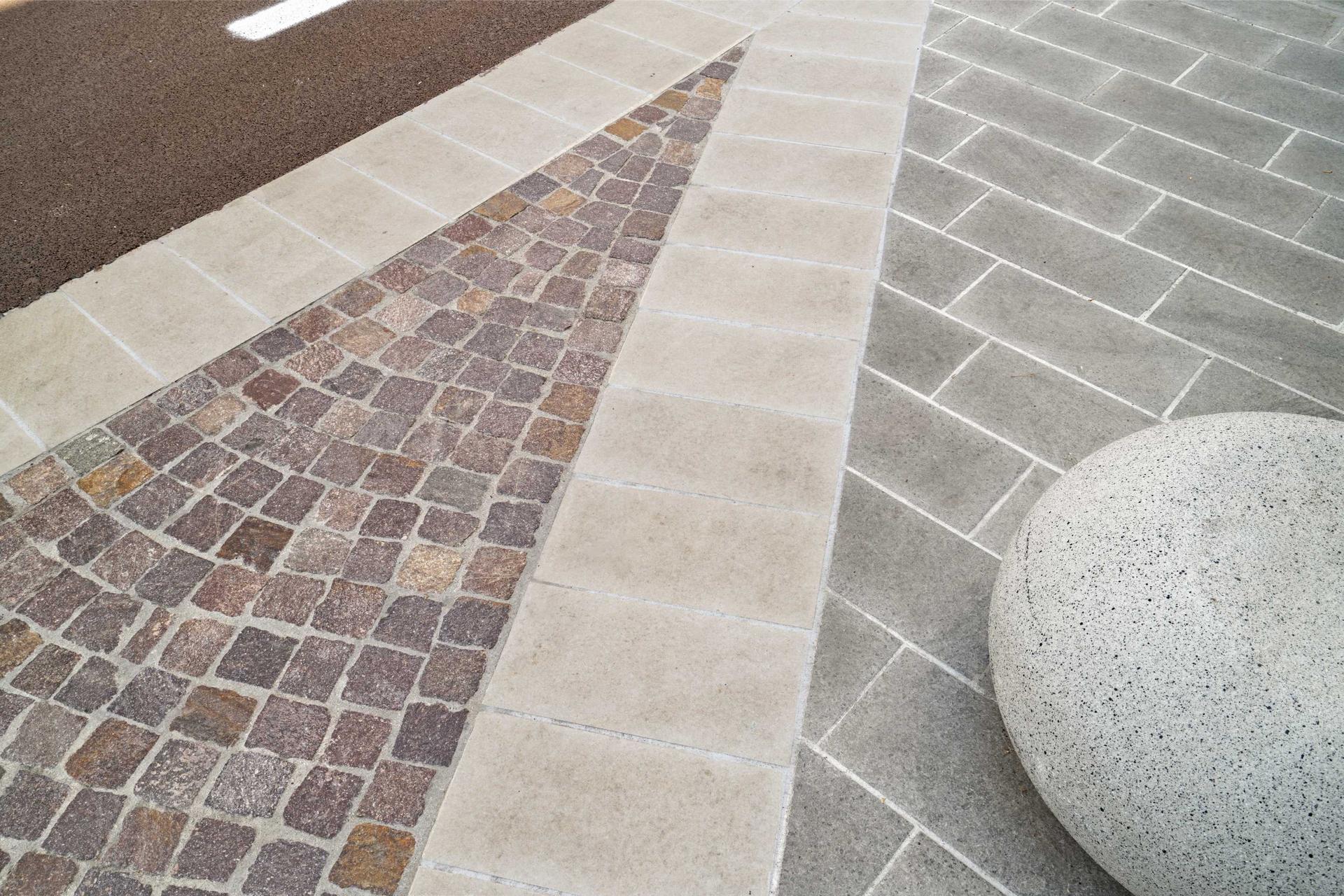
Проектировщики использовали Pietra Lavica компании Grestone, бренд Saxa Gres: «Для мощения был выбран керамогранит — материал, подходящий для городской среды, высокого эстетического и материального качества и с небольшой толщиной. Керамогранит Pietra Lavica позволяет создавать однородные и ровные поверхности, пригодные для пешеходного и велосипедного использования и с отличными эксплуатационными характеристиками в любых погодных условиях. Мы выбрали оттенки Sand и Grey, цвета, которые позволили обеспечить корректное цветовое сочетание с городской средой, обладающей значительной исторической ценностью».
Керамика может улучшить облик наших городов: «В нашем проекте керамогранит стал удачным и универсальным выбором для планировки с современным дизайном; кроме того, он позволил нам сочетать эстетику и функциональность, в том числе при реализации покрытий с органичными линиями». Это городское вмешательство, ставящее в центр людей и окружающую среду: «Мы выбрали Pietra Lavica компании Saxa Gres также из-за состава, полученного из переработки отходов, предназначенных для свалок, тем самым избегая использования сырья или добычи природного камня».
Pietra Lavica Grey

Grigio medio striato
20x40, 40x60 cm - 50 мм
Certifications
ISO 9001, ISO 14001, ISO 50001, ISO 45001, ISO 17889-1, EPD
Больше информации о продукте > перейти в каталог
Pietra Lavica Sand
Beige
20x40, 40x60 cm - 50 мм
Certifications
ISO 9001, ISO 14001, ISO 50001, ISO 45001, ISO 17889-1, EPD
Больше информации о продукте > перейти в каталог